I hear a motorbike revving then quietening as it parks outside my apartment. Good. My dealer’s here.
Counting my notes, I watch through the window. As he flips up his helmet visor and completes a final rev, a nearby doberman barks angrily at him. Next to it, an alsatian barks at him, too. Then a cavoodle also decides it’s cross.
Ten more dogs bark in the din – incredibly, all 13 are on the same mega-lead, and are being walked by just one now very flustered dog-sitter.
Argentinians are a resilient bunch and my gruff, bearded dealer grins lopsidedly and lightly shrugs his shoulders at the noise. My approximately 14th-century elevator delivers him to my door with a rattle and bang as loud as his motorbike engine. He barks his own buenas, and the deal begins.
He has come to deal me a prized commodity in Argentina: US dollars. My landlady refuses to take Argentine pesos. They devalue too quickly.
The peso pile sits high on my desk – hundreds of thousands of them, in a paper Jenga tower. In return I get just five $100 notes. My rent is $430. In the coming weeks it will rise to $460, then $500, then $550, then $600.
Suggested Reading

And the election winner is… the young
To get the pesos in the first place is a real pain. Nobody uses cash machines – you lose way too much money. We have to wire money to ourselves via a Western Union account and pick it up.
As the dealer – or cueva as they’re nicknamed here in Argentina – departs, another set of about 12 dogs starts up again, seemingly affronted by his clandestine financial transaction.
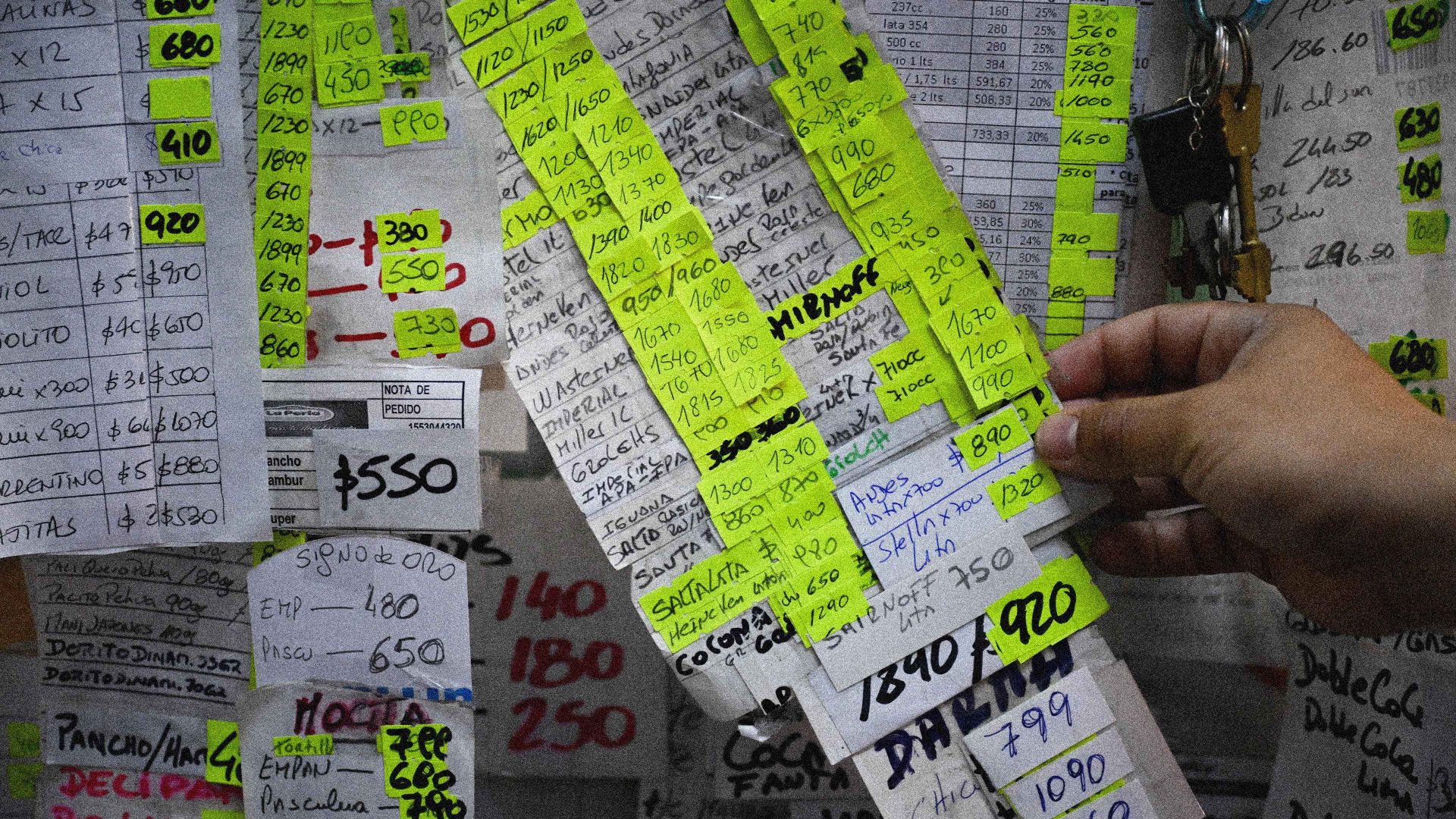
This howling is what life sounds like in a country that in October 2024 had an inflation rate of 193% (the UK’s is currently 3.4%). And that was actually Argentina’s lowest rate in almost a year – it had peaked at 211% in 2023.
We are at a point where professional dog-walkers have had to take on more and more dogs just to keep up their buying power. They can’t keep increasing fees, or they’ll lose clients.
It’s the everyday things like 13 dogs on one lead that I notice. That in itself has become a tourist attraction. My wallet gets so fat in this largely cash economy that I sometimes have to return to my apartment and refill it from my safe halfway through the day.
Restaurants have stopped printing menus as prices change daily, sometimes hourly. Everything’s now done on QR codes or black/whiteboards.
It took me a while, however, to find a dealer.
Before that, I did what many international visitors do. I headed to Florida Street, one of the famous boulevards named in the song Buenos Aires from Evita. Bafflingly, there are six different exchange rates in Argentina, and people flock to the buzzy pedestrianised area near the famous Casa Rosada.
Here you’ll hear “Cambio? cambio? cambio?” the dollar hawkers offering “change” as you walk down the street. They don’t scream it, they surreptitiously whisper it. It’s not for the fainthearted.
If they gain consent by catching your eye, they take you out to a hidden hub at the back of a shopping centre or a florist to do the secret, illegal transaction, under the watchful eyes of leather-jacket-wearing men.
Bizarrely, you get more pesos for a newer $100 bill than an old one, even though they’re both legal tender. “Change, change, change?” they ask. At this point in time, it’s the one thing visitors want, but Argentinians need.
And then there is change. Javier Milei became president in December 2023 on a promise of reducing inflation. For all his concerning right wing ideas, he delivered on his economic promises. Inflation has cooled to 32.4% today – a result of tight fiscal control, slashing energy and transport subsidies (to the rage of Argentinians who had become accustomed to them) and a lifting of rent control laws.
Inflation is still high. It’s actually rising again, and economists question how sustainable it’ll all be.
Gary Nunn is a freelance journalist who lived in Buenos Aires from 2023-25