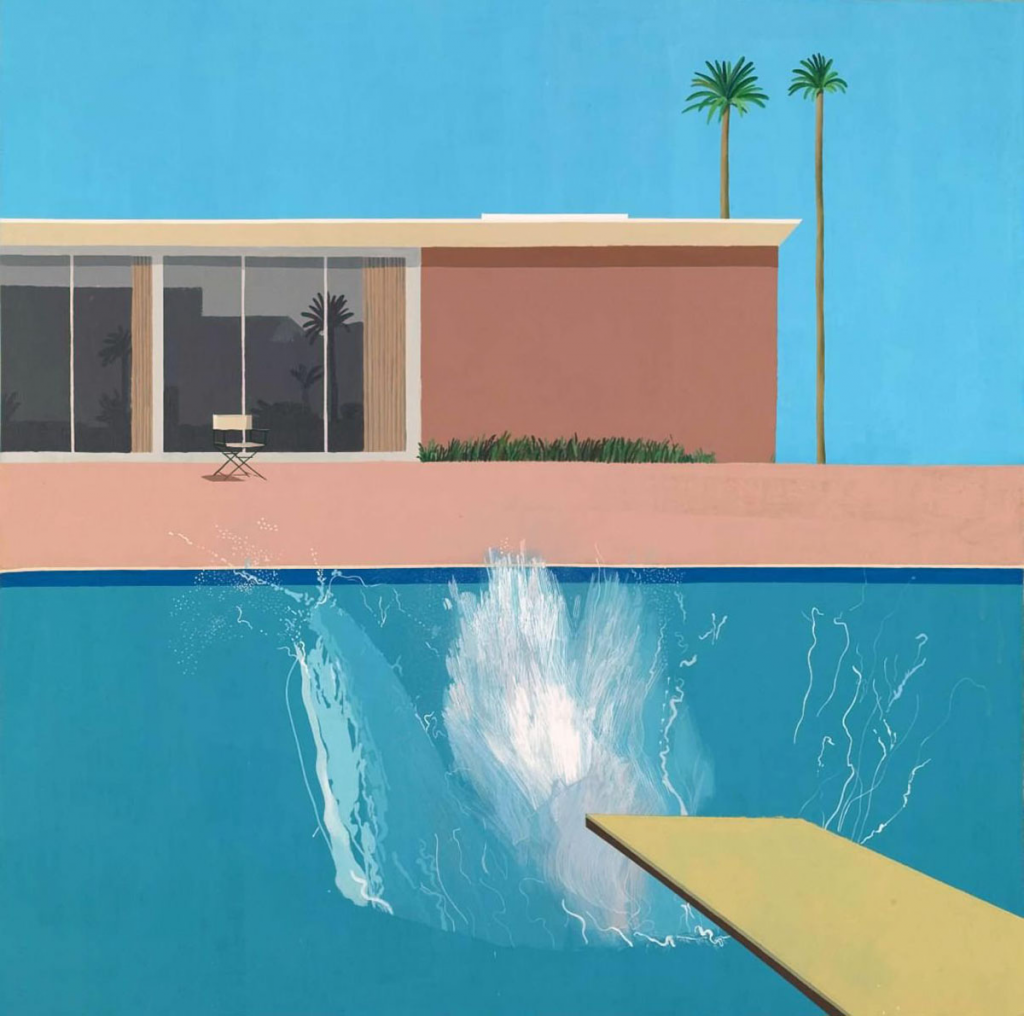
For some it will be the sheer sensory delight of A Bigger Splash, for others the sometimes compelling, sometimes perplexing arguments with traditional theories of perspective. Whatever your experience of David Hockney it will undoubtedly have caused a shift in the way you see and understand the world.
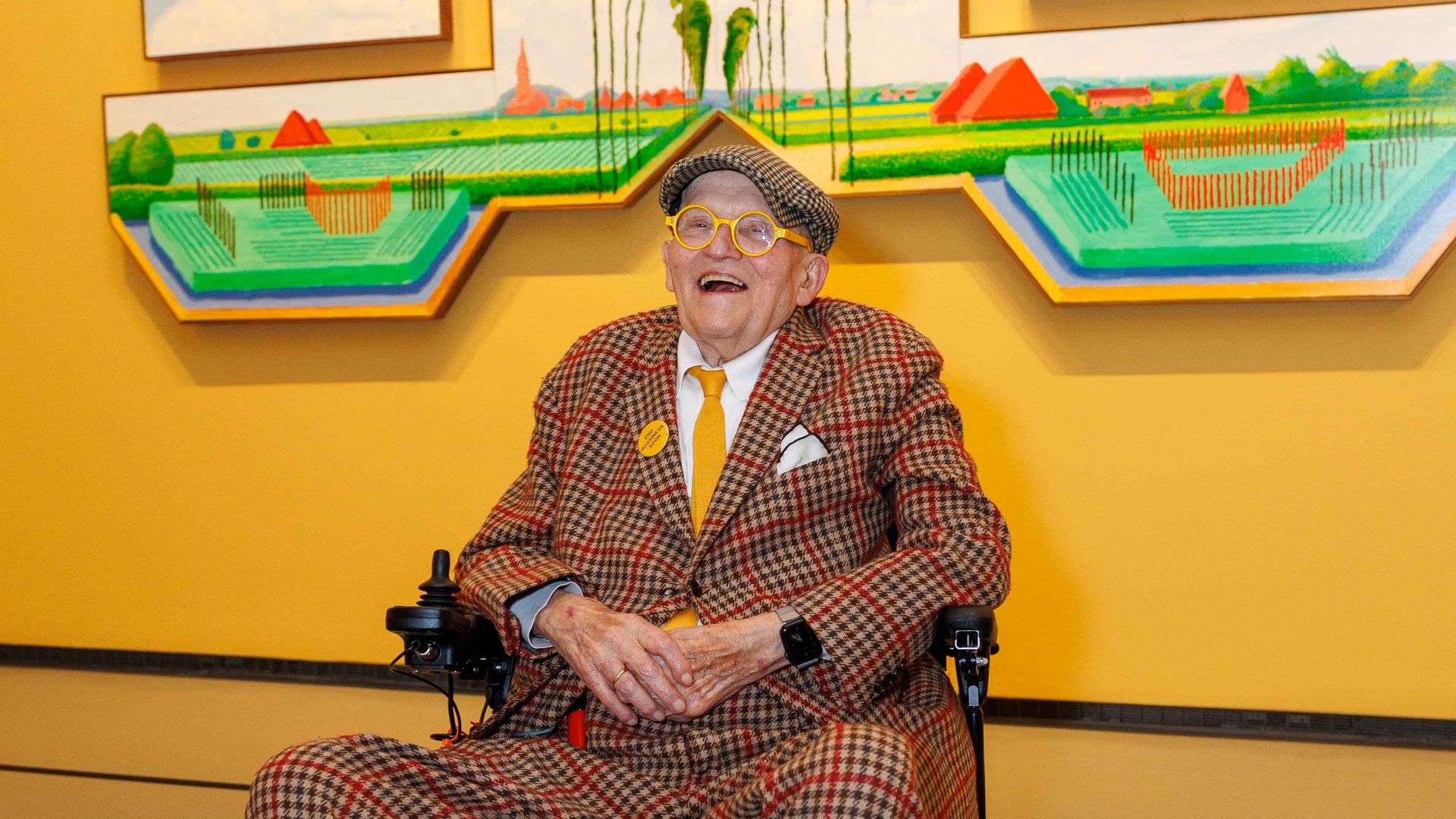
It was during the Covid lockdown that Hockney reached more people than ever before. Sequestered at his Normandy farmhouse, he got on with his plan to paint the arrival of spring which in 2020 erupted early, and with what seemed like especially violent force. His garden, with its Eden-like array of blossom – apple and pear, cherry and plum, hawthorn and blackthorn – was changing daily if not hourly and at a time when the world had pretty much stopped, Hockney’s release of 10 pictures for publication, titled Do Remember They Can’t Cancel the Spring felt like the most generous of gifts.
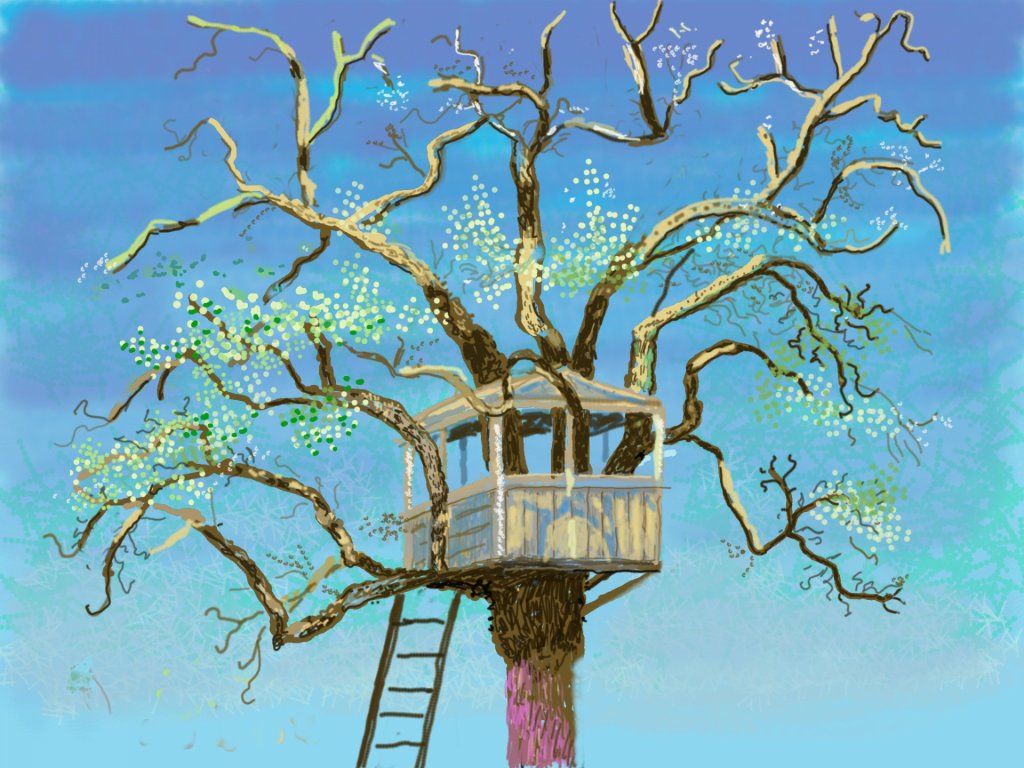
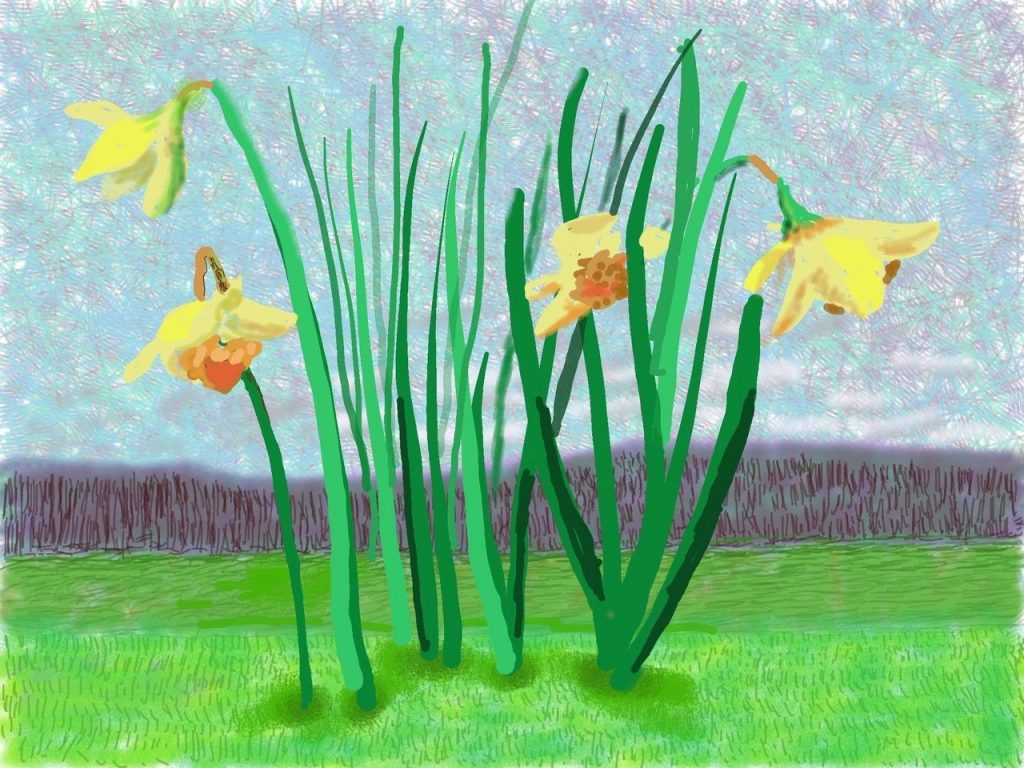
With so many enduring unimaginably horrible conditions, he must have realised that these joyful pictures of daffodils and trees risked landing as insufferably smug. That they seemed for the most part to be received in the spirit they were intended is down in part to that conspiratorial title – “they” were the same bossy bureaucrats he spent his life railing against – but also to their unsuppressed joy, expressed in sky blue and canary yellow, colours that in latter years were as prevalent in Hockney’s wardrobe as his paintings.
For people bogged down in illness and anxiety, bored stiff with monotonous daily walks, these iPad paintings were a gesture of solidarity and a joyful interruption to screens dominated by video calls and daily briefings. They came like a friendly dig in the ribs urging us to look and look again.
Hockney’s excitement that spring was recorded by author Martin Gayford in his book The Spring Cannot Be Cancelled: “It’s spectacular. And I’m getting it down. I’m so turned on. It’s not finished yet. The apple trees haven’t blossomed. There’s nothing on them, but they’re about to come out. On some other trees, the blossom’s coming out right now; it’s all just amazing”, he enthused on one of their regular video calls.
The work produced in that period was proof of Hockney’s Zen-like ability “to find excitement in raindrops falling on a puddle”, his ability to live in the moment and find joy in the ordinary amusingly in step with popular wellness practices from mindfulness to “slow looking”. As the most unlikely of lifestyle gurus, Hockney’s personal elixir was famously smoking which he enjoyed with an impish zeal. A passion intense enough to leave one with no time or interest to worry about last night’s sleep data, or this morning’s resting heart rate was also vital. “Perhaps artists can live to a ripe old age because they don’t think about their bodies too much; they think about something else”, he told Gayford.
Suggested Reading
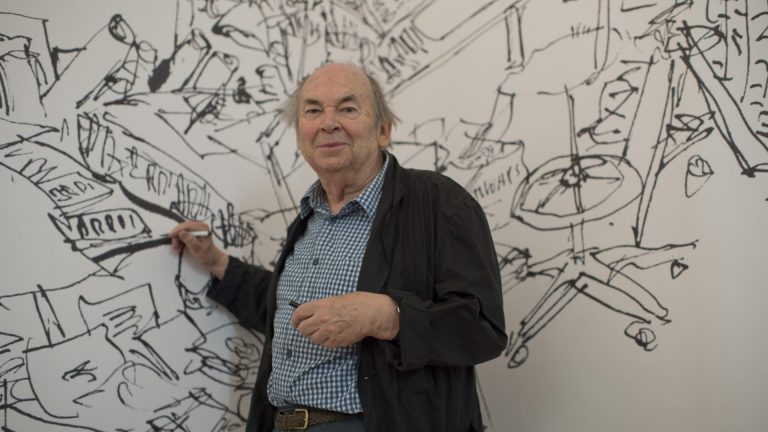
Quentin Blake’s marvellous museum
Finding joy in life’s pleasures doesn’t seem especially radical, and yet Hockney revealed it to be just that, especially as a gay man in Britain, where homosexuality was criminalised until 1967 and stigmatised long after. “Boring old England. You can’t do this, you can’t do that” he said, reflecting on his move to California in the 1960s which in 2019 was followed by his move to France, where smoking laws are less draconian than those in the USA.
The “pleasure principle” was as essential to Hockney’s art as it was to his life, and it set him apart in the postwar period when existential torment and intellectual rigour dogged painters from Francis Bacon to Jackson Pollock. To Hockney’s fans, he was a breath of fresh air, but to his detractors so much joy sounded unserious, and not at all like the romantic ideal of the artist suffering in a garret. But Hockney was adamant: “the pleasure principle in art can’t be denied; but that doesn’t mean that all art is easy and joyful”.
Despite his love of colour, and vignettes of easy domesticity, Hockney’s own art doesn’t shy away from the difficult, and he was preoccupied with interrogating theories of vision and perception, and especially the western tradition of fixed point perspective which he rejected as too static, and unlifelike.
In the early 2000s, he took his investigations of optics still further, authoring a highly controversial book in which he claimed that old masters from Van Eyck to Canaletto had used lenses and other optical devices as drawing aids. Secret Knowledge was treated with snooty condescension by many art historians, but though his theories are still contested, there is now much broader acceptance that artists like Van Eyck were quite possibly using the latest optical technologies.
If that remains something of a hot potato, there is no arguing with what may have been Hockney’s greatest insight on Van Eyck – his game-changing advice to take a pair of binoculars to look at his masterpiece, the vast and minutely detailed Ghent Altarpiece. Whether he was showing us the beauty to be found in a tree, or in the rippling blue of a swimming pool, or on the walls of his beloved National Gallery, Hockney’s greatest and lasting gift is to show us how to look, and never stop.