The European project that emerged after the second world war was designed to prevent renewed conflict on our continent. At its core, the union of European countries is a peace project, shaped by common values. It is based on cooperation between states and respect for the rule of law, with shared rules acting as a restraint on power.
These very foundations are now being put under pressure like never before by an increasingly belligerent Trump administration which treats legal limits and institutional norms as obstacles to be bulldozed rather than boundaries to be respected.
A year ago, on Tuesday just gone, Donald Trump was inaugurated for the second time as president of the United States. In the 12 months since, longstanding alliances have been treated as transactional inconveniences, international law has been derided and even the sovereignty of territories such as Greenland is being openly challenged.
In such a world, the conclusion for the United Kingdom should be clear. At a moment of growing global volatility, which we cannot grapple with alone, it is more important than ever that we build a closer, deeper relationship with our European neighbours. Rejoining the EU is no longer an academic issue nor simply nostalgia – it is a matter of political necessity.
Against the backdrop of an unpredictable Trump, Europe has remained a source of comparative stability – a reliable and trusted actor, despite political pressures and challenges pushing in other directions. While the United States, under Trump, has taken a transactional approach to foreign policy, European countries have for the most part continued to prioritise cooperation and diplomacy over division.
That difference has real consequences for how conflicts are managed and for how democratic values are upheld. It makes it all the more important that our participation can help ensure this continues. Geography has not changed, nor have our shared interests with our closest neighbours. Europe remains our home, and our future is closely linked to that of the continent we are in.
European cooperation has always been about more than trade. It is about maintaining a legal and political framework that limits the misuse of power, protects rights, and allows disputes to be resolved peacefully. This framework cannot be defended by any one country acting alone, it depends on trust and an engagement between the UK and the EU which is both sustained and deepening.
Beyond immediate security concerns, we are also facing larger and more existential challenges. The accelerating climate and nature crisis will reshape economies, strain societies and drive instability across shared borders.
At the same time the rapid development of artificial intelligence raises profound questions about power, accountability and control. These pressures are intensified by the growing influence of large technology corporations whose reach often exceeds that of individual states.
Suggested Reading
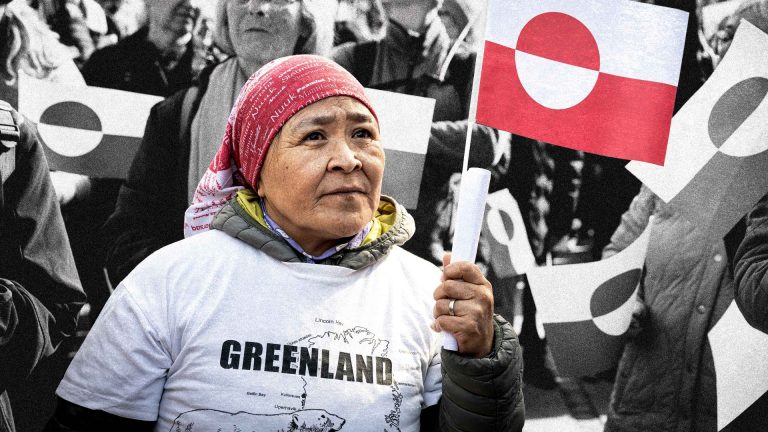
The fear and dread of living in Greenland
No country can respond to these forces alone. If global agreement proves difficult, then acting with as much cohesion as possible alongside European partners and other like-minded democracies is the most credible and effective way to protect the British people.
Security and defence cooperation is, of course, a priority. Russia’s continuing aggression against Ukraine and the wider instability on Europe’s Eastern borders demand a coordinated response from a united Europe that reflects our values. Closer cooperation here on intelligence sharing, defence planning, procurement and diplomacy would strengthen both the UK and the EU. The UK has much to contribute to our continent, but influence comes from greater involvement rather than distance.
In an uncertain global economy, stability matters. A closer economic relationship between the UK and the EU would support jobs, improve resilience and help protect and improve living standards. It would also give young people greater confidence in the future.
This is not about the past. It is about responding realistically to present conditions today in order to secure tomorrow. The world is far more unstable than it was a decade ago. But by working together on security, defence, the environment, economy and the rule of law, we – the continent of Europe – can protect our shared values together and provide greater stability for those who come after us.
Nothing should be off the table in ensuring our peace and security, whether that be a return of the UK to the EU’s single market, so that we can shore up our economic future, or to the EU as a full member, in order to secure our place in European security and democracy.
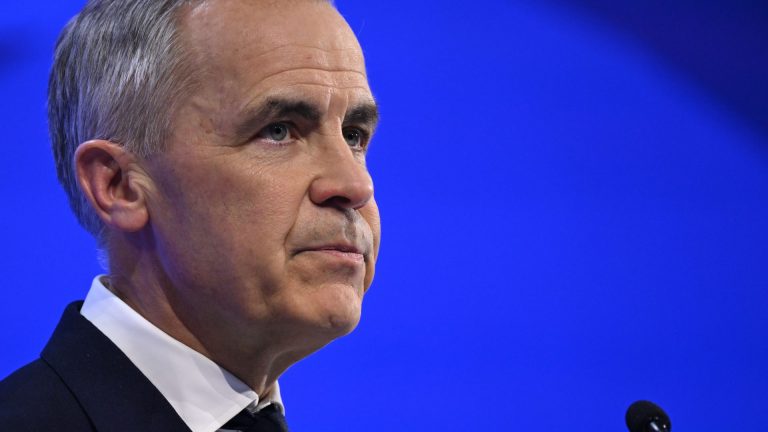
Today, on the international stage, the UK has a simple choice – align with Europe. Because, in the words of Canadian prime minister, Mark Carney, at Davos this week, “if we’re not at the table, we’re on the menu.”
Dominic Grieve and Caroline Lucas are co-presidents of European Movement UK.
 Most popular
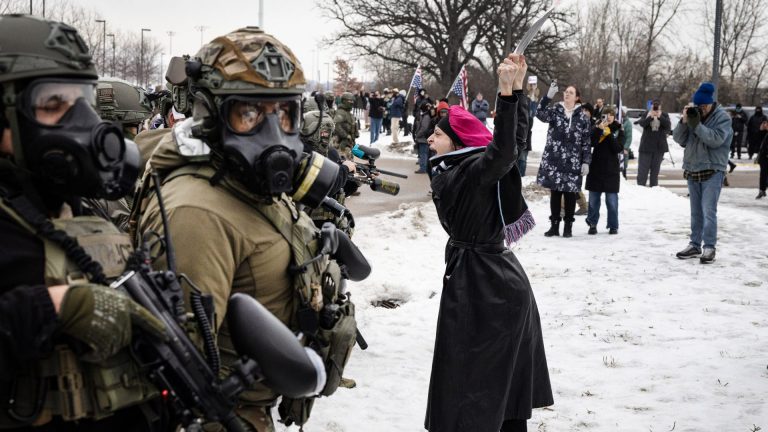
Emily Maitlis exclusive: Fear and loathing in Minnesota


This is what trans people really think
Reform UK’s guide to the history of Britain

Carney spoke to the world. Trump rambled to himself