The first time I heard a full-roar antisemitic speech on the continent was three decades ago, when the French far right politician Jean-Marie Le Pen addressed a rally in western France. The Gaullist mayor of the seaside resort of La Baule, which is rather like Bournemouth, had banned Le Pen from speaking in the town, so the old racist hired a giant marquee on a supermarket car park just outside.
There, he castigated three supposed enemies of France – former prime ministers Léon Blum, Pierre Mendès France, and Laurent Fabius. All three were socialists. All three were Jews.
Le Pen pronounced their names again and again, crudely maximising the Jewish-sounding names in French. Everyone in the crammed big tents roared and cheered. On sale at tables were pictures of the enemies of the Front National with big Jewish noses. It was a festival of Jew hate.
France seemed then inoculated against the far right. But last December, I watched in the European Parliament in Brussels as waitresses and other employees queued to get autographs from Jordan Bardella, the 30-year-old presumed presidential candidate of Jean-Marie Le Pen’s party. It was renamed National Rally (RN) by his daughter, Marine, who also expelled her father to detoxify the party from its anti-Jewish and racist past.
She is currently banned from another presidential run after being convicted of embezzling €4m from the European Parliament to pay for her party’s campaigns in national elections. But Bardella, from a north African immigrant background, is smooth, good-looking, fluent on television and likely to win in her place.
Emmanuel Macron was also in his 30s when he won the presidency in 2017, but this super-intellectual is utterly out of touch with the non-university graduates of France, who are Bardella’s people. They may never have read the Financial Times or any book written by Europe’s intelligentsia, but they have snapped up 300,000 copies of the two books written so far by Bardella.
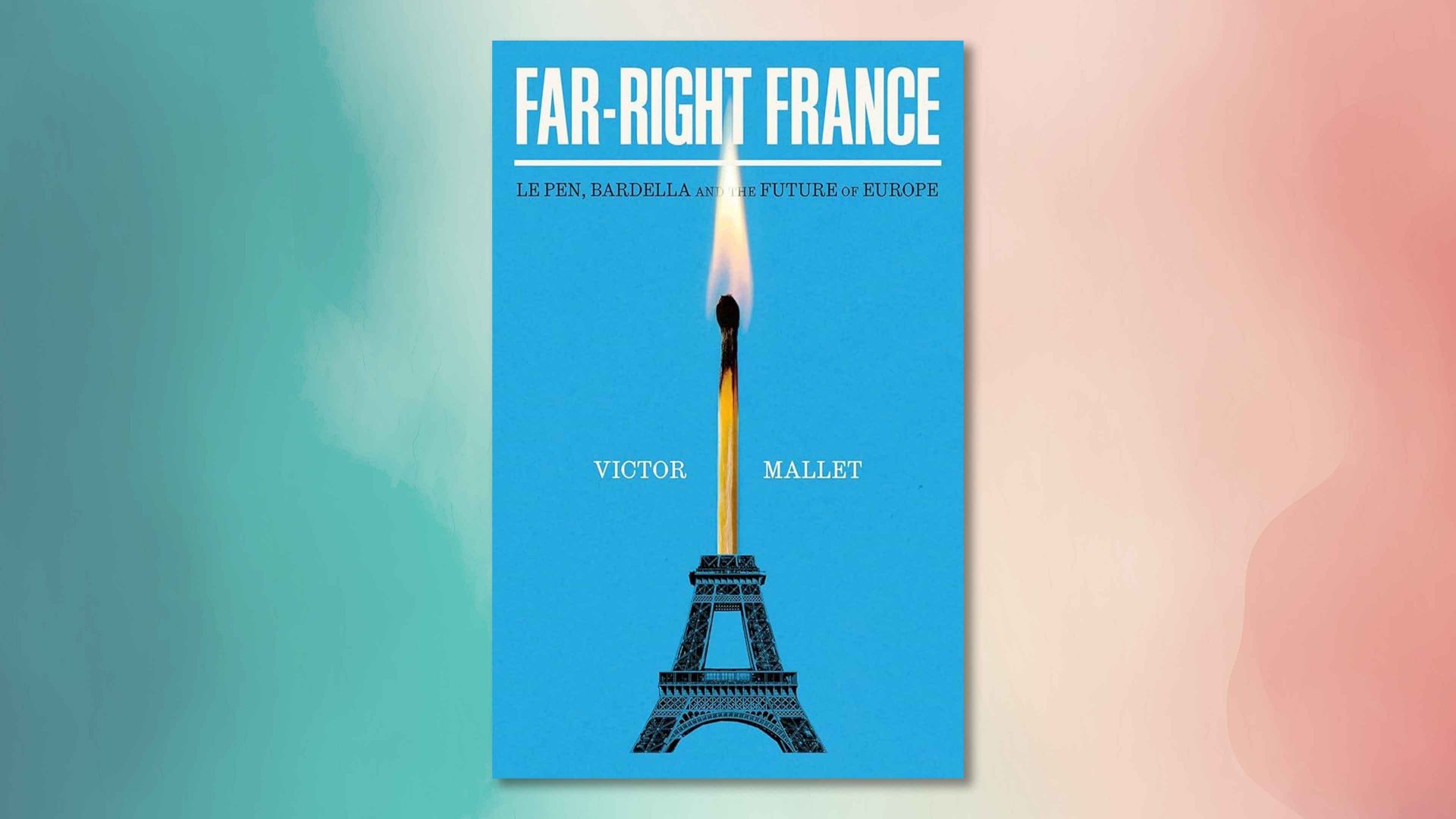
Now the British journalist Victor Mallet’s Far-Right France studies the mainstreaming of National Rally, and Bardella’s rise. The presidential contender has endorsed Nigel Farage as Britain’s next prime minister and wants France to line up behind Donald Trump. He has praised Trump’s National Security Policy, the one that describes a “collapse of civilisation” in Europe and seems based on the “great replacement” thesis which claims Muslims and sharia law are replacing the white French and Christian traditions and values.
Suggested Reading

Poland, the most successful country in Europe
Mallet reports from the southern French town of Beaucaire, which now has a RN mayor after years of being controlled by the left. In the 19th and early 20th centuries, he writes, “waves of migrants have come to work in the fields, orchards and factories of the south of France” with many staying with their children growing up fully French. From the 1960s it was the turn of the Moroccans, Algerians, and Tunisians from France’s former North African colonies.”
What Mallet finds is surprising: The town’s 32-year-old mayor welcomes immigrants if they integrate into the local way of life. He discovers that another RN mayor has built a mosque for 1,000 local Muslim male citizens, with space for 500 women.
RN has realised that Muslim and black votes in France carry as much weight as those of white, mass-going Catholic votes. So Marine Le Pen, with Bardella tagging along, has toned down the antisemitic and racist nationalism of her father. She has repudiated her niece Marion Maréchal Le Pen, an out-and-out great replacement fanatic linked to fanatical Trump ally Steve Bannon.
Marine is very willing to ditch policy to gain power. After the Brexit vote, she covered her social media pages with union flags but as its abject failure became apparent, she dropped crude Farage/Badenoch anti-Europeanism. She no longer supports a call to hold a “Frexit” referendum and no longer says France should drop the euro and return to using the French franc.
Le Pen and now Bardella are operating in a vacuum. The departing Macron aside, there is no centre right liberal politician who has any presence in France.
The 20th century Socialist Party is all but dead. It has a divided leadership from the former president, François Hollande to the party’s jobsworth current leader, Olivier Faure, with its most prominent pro-European activist, Raphaël Glucksmann, all vying for the democratic left nomination to run for the Élysée. Its followers have been cannibalised by the Jeremy Corbyn of France, Jean-Luc Mélenchon, now considered by many French Jews as antisemitic because of his barely disguised hate of Israel.
There has been a great deal of punditry in the English-language press about the French far right. This is a real reporter’s account, with Mallet visiting the towns in non-tourist France where they thrive. He finds that Bardella is not just riding a wave of populism, but arriving at the end of a long-term strategy – decades of Le Pen, père et fille, turning up at local markets in small towns, listening to the people’s unhappiness about a France long led by and for only the well-educated and well-remunerated and channelling that anger for their own ends.
Far-Right France: Le Pen, Bardella and the Future of Europe by Victor Mallet is published by Hurst.
Denis MacShane is a former Labour minister for Europe