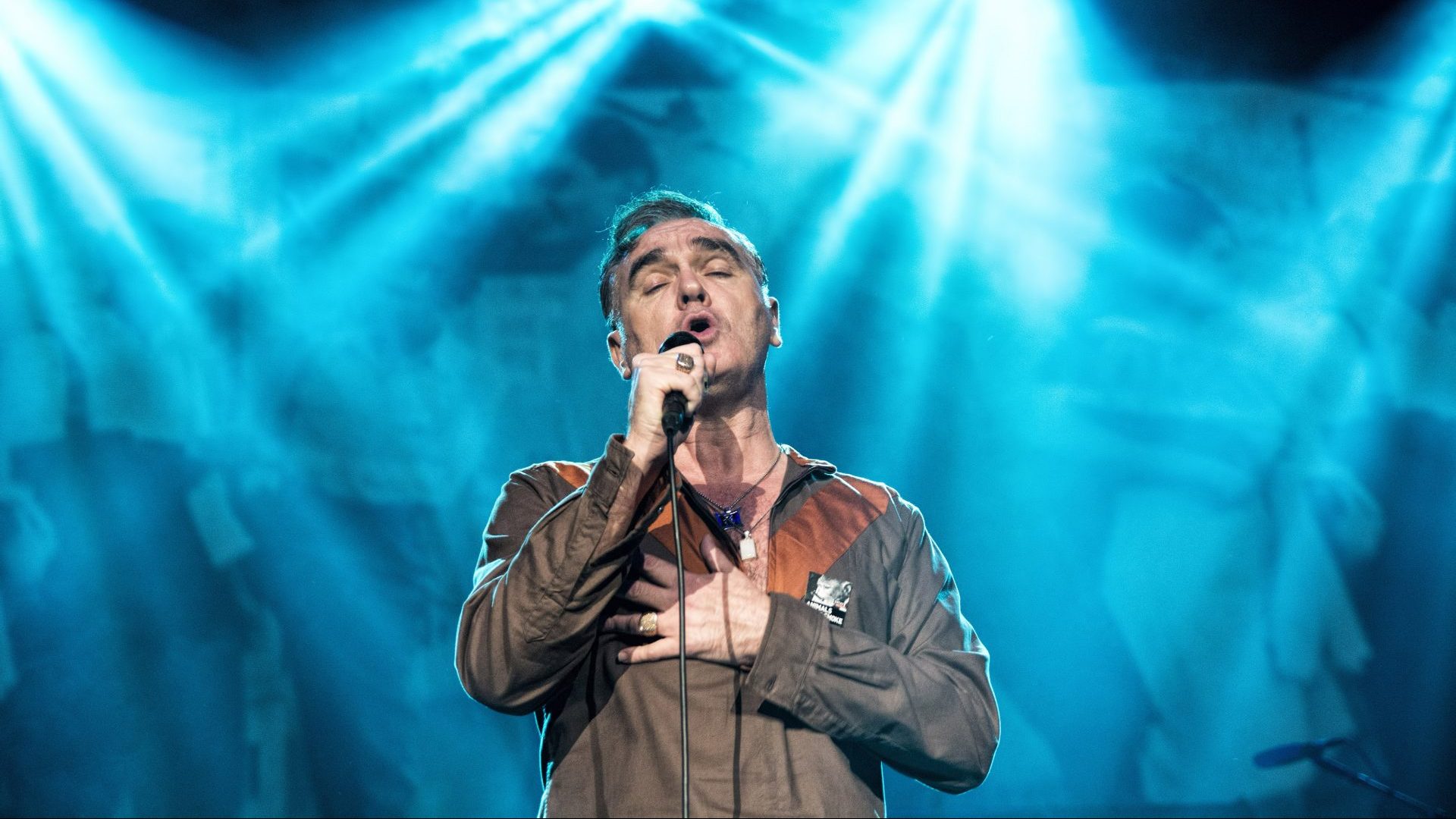
Has there ever been an artist with a more chaotic career timeline than Morrissey?
First he was almost entirely admired: here was a man whose songs and personality seemed to embody wit and empathy. The Smiths’ music was, thanks to Johnny Marr’s cascading guitar, much more than indie pop: and Morrissey’s lyrics and delivery gave those songs a sense of British drollery that somehow managed to avoid both tweeness and Carry On film drudgery. Morrissey combined Shelagh Delaney with Oscar Wilde and made a generation feel less alone.
After he left the Smiths, his work became more solipsistic: still capable of feeling for others (November Spawned a Monster) he also turned out horrors like Bengali in Platforms, a song whose message appears to be “You think you’ve got it hard, well, so do I.” The wit, once breathtaking, seemed to dissipate with age: famously, he once referred to his new competitors as “Oldplay and Radiodead.”
Then there was the constant dissatisfaction. Morrissey was never going to be one of those artists whose career would be a smooth progression of regular album releases followed by successful tours. There were court cases involving former bandmates and court cases involving the press (and me): most were the result of the inevitable fallout from band members feeling hard done by, some were not. Morrissey was victorious in both libel and trolling cases but was less successful with retaining his royalties.
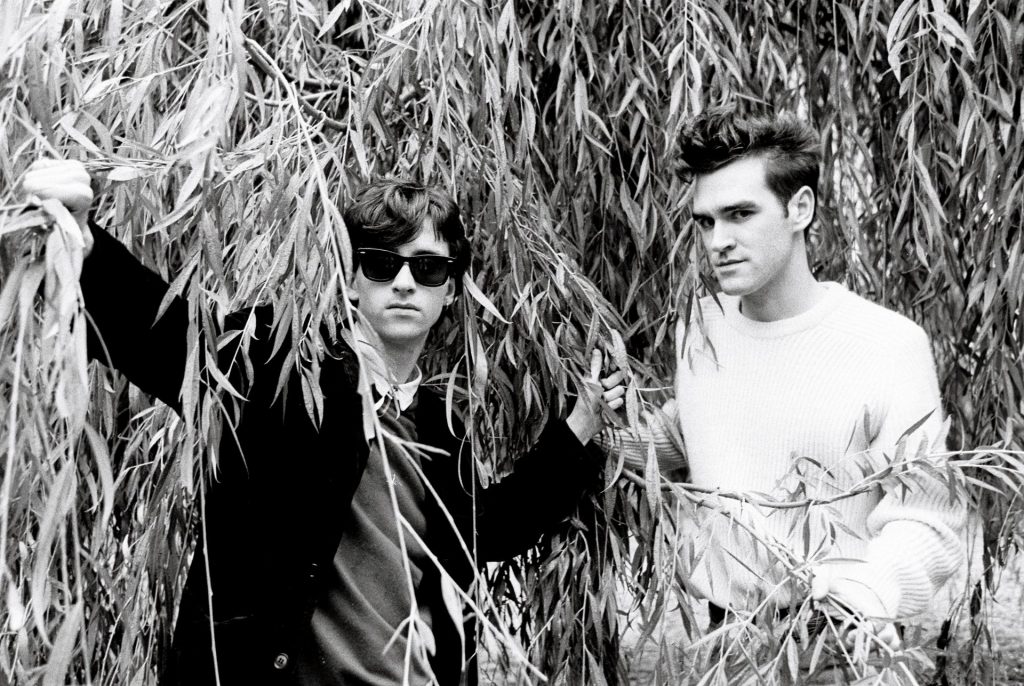
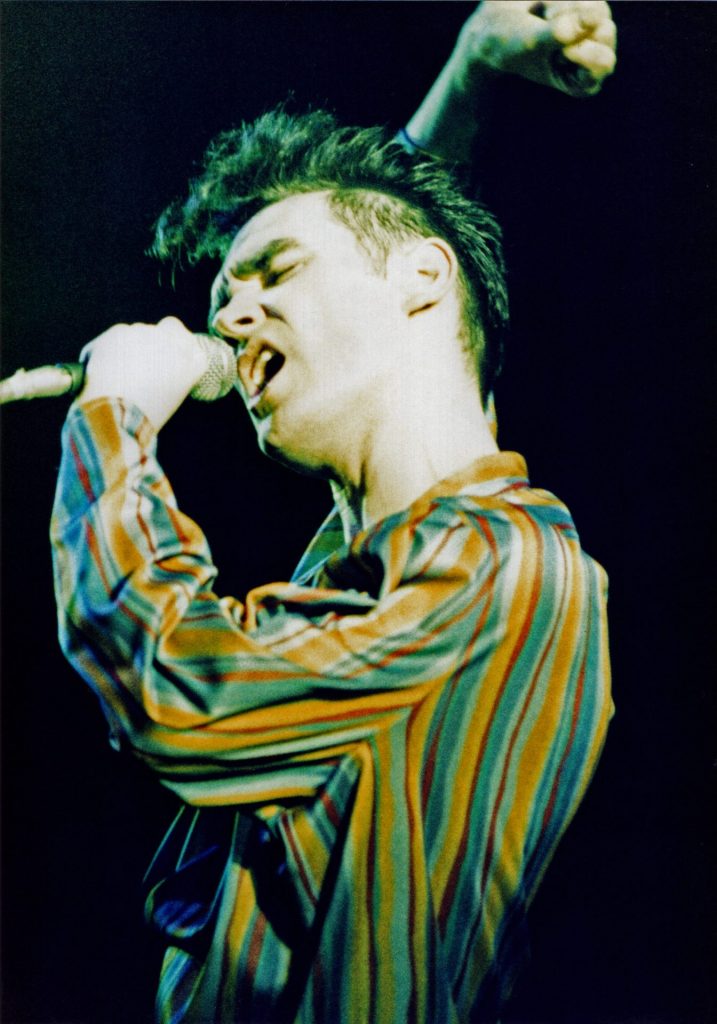
the Smiths at Hammersmith Palais, 1984.
Images: Clare Muller/ Redferns; Pete Still/ Getty
There was the apparent chaos of Morrissey’s record label saga: at various times in his 35-year solo career, he appears to have been signed to at least 15 record labels. And there was the constant cancellation of shows: at least one fan site claims Morrissey has cancelled more than 400 concerts: whether or not this figure is accurate, it certainly reflects a perception of the singer as an unreliable night out.
Yet throughout all this, he remains an extraordinary figure. Despite – or because of – his often ramshackle career and unusual views (he has at various times praised both Barack Obama and Nigel Farage), Morrissey occupies a unique position in popular culture. There is, like it or not, nobody else like him.
Perhaps if he did release albums regularly, tour properly, and support the usual causes that singers support, he would be less interesting. Perhaps it is the chaotic nature of his career that draws us in: certainly it isn’t the music which, when it is released, bears little resemblance to the swift brilliance of his 1980s work (although I still find myself singing the chorus of his 2017 hit single Spent the Day in Bed).
Now, despite all the complications, Morrissey is back, with an energetic new album, Make-Up Is a Lie. There are surprises: the title track is, of all things, a trip-hoppy tune about Paris, while controversy ensues on Notre Dame, a song in which Morrissey claims to know who started the cathedral fire. As an album, it’s fine, but at this stage it doesn’t matter if it’s good, or bad, or just a dream: because in the 21st century, Morrissey is more myth than man.
This morning I Googled “songs about Morrissey” and came across over 40 songs with “Morrissey” in the title (Googling songs that mention Morrissey or the Smiths would produce hundreds of results). The idea of Morrissey is something that songwriters have been compelled to address for decades.
There are passionate anthems – The Associates’ Steven, You’re Really Something and Sandie Shaw’s Steven (You Don’t Eat Meat) – there are sympathetic songs (Robbie Williams’ recent Morrissey, which positions the singer as “lost and lonely”), and there are ironic songs like Sparks’ Lighten Up, Morrissey, in which the singer’s girlfriend complains that he is not as cool as Moz. Very few musical artists have inspired so many tribute songs: in fact, the last time there were so many songs about singers was probably at the height of Beatlemania, when everyone seemed to be releasing songs about Ringo.
Suggested Reading

Springsteen: Deliver Me from Nowhere is music to your ears
And then there’s the matter of The Simpsons. In 2021, Fox TV aired Panic on the Streets of Springfield, an episode that featured Lisa befriending a British indie singer called Quilloughby.
The former lead singer of The Snuffs, Quilloughby was, according to the show’s producers, a “composite figure” but also one that most people would recognise as a parody of Morrissey – middle-aged, vegan, no longer slender, and possessed of views that the subject himself strongly denied holding, calling the show “a haunting lawsuit”.
The most interesting thing about the episode was not the portrayal of Morrissey (voiced by Benedict Cumberbatch) nor even the directness of the accusations, but the more general question it raises: what happens to our idols, and by extension, us? How much of our perception of said former idols is down to them and how much down to us?
Morrissey is someone who, the Simpsons episode claims, was once a loveable, droll, beacon for the lost and lonely with, presumably, impeccable early-80s student-friendly politics, but who is now an ageing blowhard who fires sausages at his fans (note: Morrissey has never done this).
Once he was an indie figure, no more famous than, say, Mark E Smith of The Fall (now that would be a great Simpsons episode): almost half a century later, he is so embedded in popular culture that a US TV show in the 21st century can name an episode after one of his former band’s singles from 1987. To paraphrase the title of one of Morrissey’s solo singles, we hate it when our friends become complicated.
When famous people with long careers die, there’s often an issue with the obituary: which photo to use – should it be the early portrait from the beginning of the brilliant career, should it be an image of the subject at the height of their success, or should it be the famous figure in age? In Morrissey’s case, it’s hard to say – will he be remembered as the lightning-sharp bard of the bedsit, or as a complex figure prone to controversy? And will the genius of the records he made with the Smiths be overshadowed by the cancellations and the court cases?
It’s entirely possible that in age, Morrissey will release mature, thoughtful albums and tour the world playing to his many fans: and it would be nice to think that, as with Dylan, Bowie and McCartney at the same point in their careers, there is excellence yet to come. But it’s still too early to say.
Make-Up Is a Lie by Morrissey is released on March 6
David Quantick is the Emmy-winning screenwriter of Veep. His new novella Imagine a Friend is released on March 10