Sometimes I like to visit my local branch of HMV to look at records. In an age of streaming and downloads, a shop selling physical music – vinyl albums and CDs – has to survive by selling other things, like toys, games, stuffed animals and so on, and my local HMV is no exception: it loves Stranger Things with a passion and is nuts for Funko Pops.
And over by the door, with its own huge display stand, is the K-Pop section, crammed with long boxes, special editions, deluxe packages, books, calendars and ephemera. It’s a parallel universe where an “album” can be six songs and where fans buy the boxed CDs just for the photo cards inside (they already have the music downloaded).
It’s an obvious metaphor for South Korean pop’s place in modern popular culture. A standalone aspect of hallyu – the Korean entertainment tide that has become a major part of modern life in the form of movies, TV dramas, and music – K-Pop is incredibly popular, its artists sell astronomical quantities of records and their songs are streamed in tens of billions.
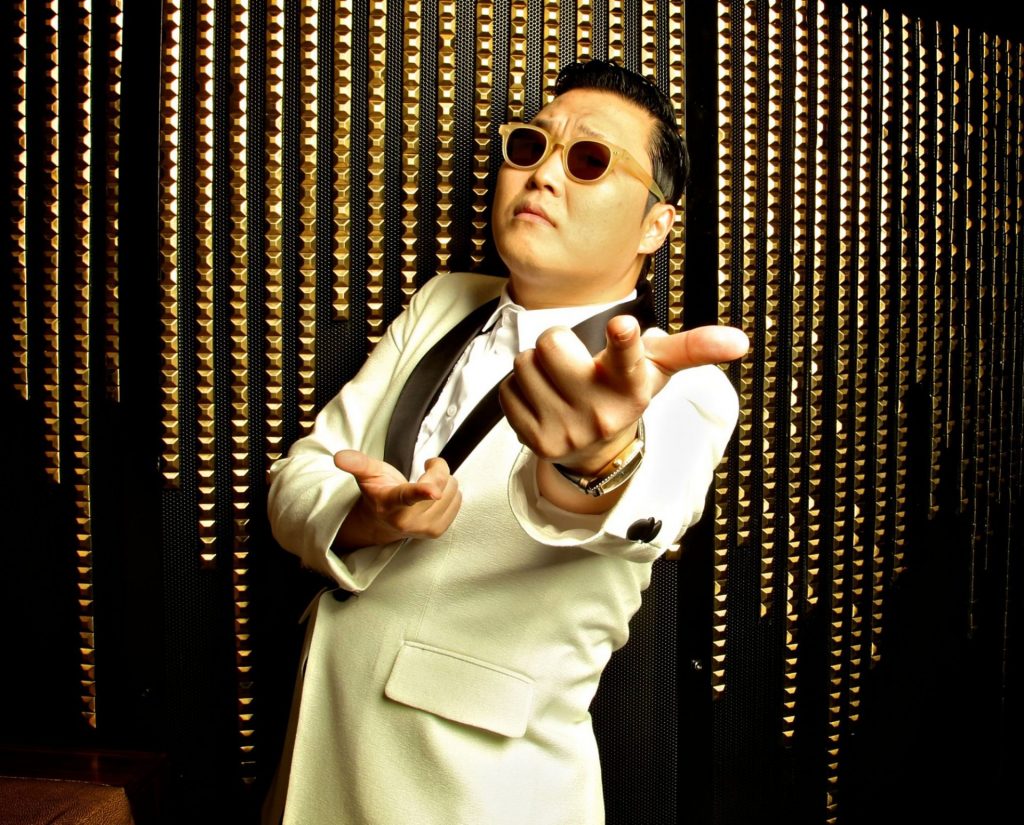
My own introduction to K-Pop came, like that of many people in the west, via a song by someone very much not in the traditional K-Pop mode, Psy’s Gangnam Style. Psy is a brilliant, hilarious major figure in South Korea, and his music is fantastic – songs like Daddy (“Where’d ya get that body?/ I got it from my daddy”) and Gentleman (“I’m a mother father gentleman”) sound like Ibiza classics or Eurovision winners.
Discovering K-Pop through Psy is a bit like discovering the movies of Robert De Niro via Meet The Fockers. Nevertheless, Gangnam Style was my gateway drug into K-Pop: soon I was immersed in it.
The songs were different to other songs, but they were also the same (Girls’ Generation’s hit Dancing Queen is even a reworking of Duffy’s Rockferry). The videos were filmed in eye-bulging HD, all the better to show off the costumes and the bling.
And the culture! K-Pop fandom is tribal, all-encompassing and fierce: from the BTS Army to Blackpink’s blinks, K-Pop fans are protective of both their idols and each other (but if they don’t like you, it can be dark – literally. I wrote a novel called Black Ocean named after the phenomenon of fans turning off their glowsticks to plunge an arena into darkness as a sign of disapproval).
So what is K-Pop if it’s not a rotund man in a tuxedo pretending to ride a pony? Well, it is and has been many things. In its modern form it began tentatively in the 1990s with boy bands like Seo Taiji and Boys, and Sechs Kies, evolved into the many-member, dance-oriented sound of the 21st century, and became famous thanks to Psy’s insanely brilliant novelty hit. But modern K-Pop – despite the collaborations with acts from Coldplay to Selena Gomez – stands outside the rest of popular music.
In part, this is because K-Pop is perfectly self-contained (unlike other genres, K-Pop songs make few concessions to compromise: the songs are often sung in English and Korean, often in the same verse, and very rarely does a group attempt to sound American). In part, it’s because it’s both classic pop and it’s more than pop.
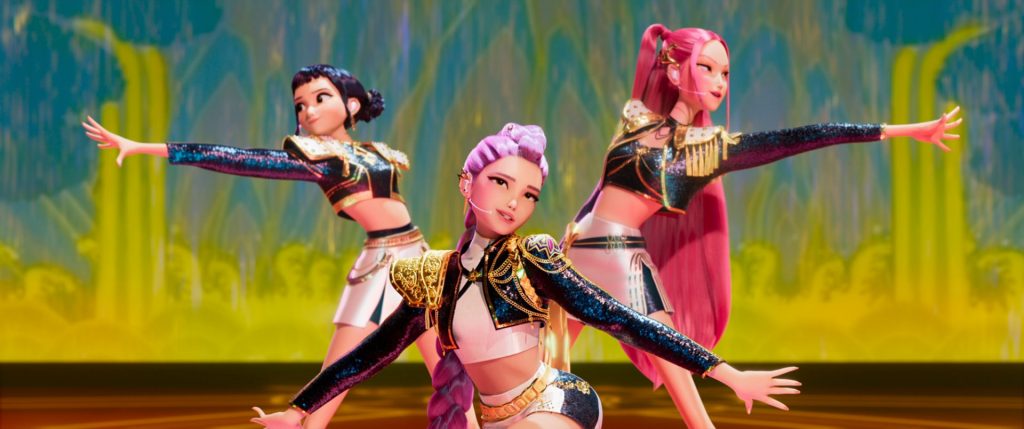
K-Pop is an all-consuming world, with fandoms, history and codes that run deeper than almost any others. The movie K-Pop Demon Hunters, which won best animated film and best song at the 2026 Oscars, taps into that brilliantly: underneath the supernatural trappings and the catchy tunes, it’s as much a story of fandom and K-Pop culture.
I love K-Pop: sometimes it reminds me of the anthemic, catchy pop of the 1980s (like many old men, I find many of the British and American acts of today over-reliant on emoting and introspection). Sometimes it’s daft (Psy, Psy and Psy), and sometimes it’s like nothing on earth.
Take, if you will, Daechwita by Agust D (a pseudonym for BTS’s Suga when he’s making solo records). The title refers to traditional Korean orchestral music, and the song begins with ancient Korean instrumentation – but soon turns into modern beats over which Suga delivers a fantastically bombastic rap, mixing hip-hop tropes (“Pathetic fucks putting on a talent show/ Not gonna lie, what a shitshow/ I got no pretensions, just kill ’em all/ Ain’t no exceptions, I watch you fall”) with a more Korean take (“Born in a ditch but rise up a dragon… Shove the past into a rice chest.”) It’s dynamic, it’s thrilling and it sounds like nothing else (and it’s even better if you watch the video).
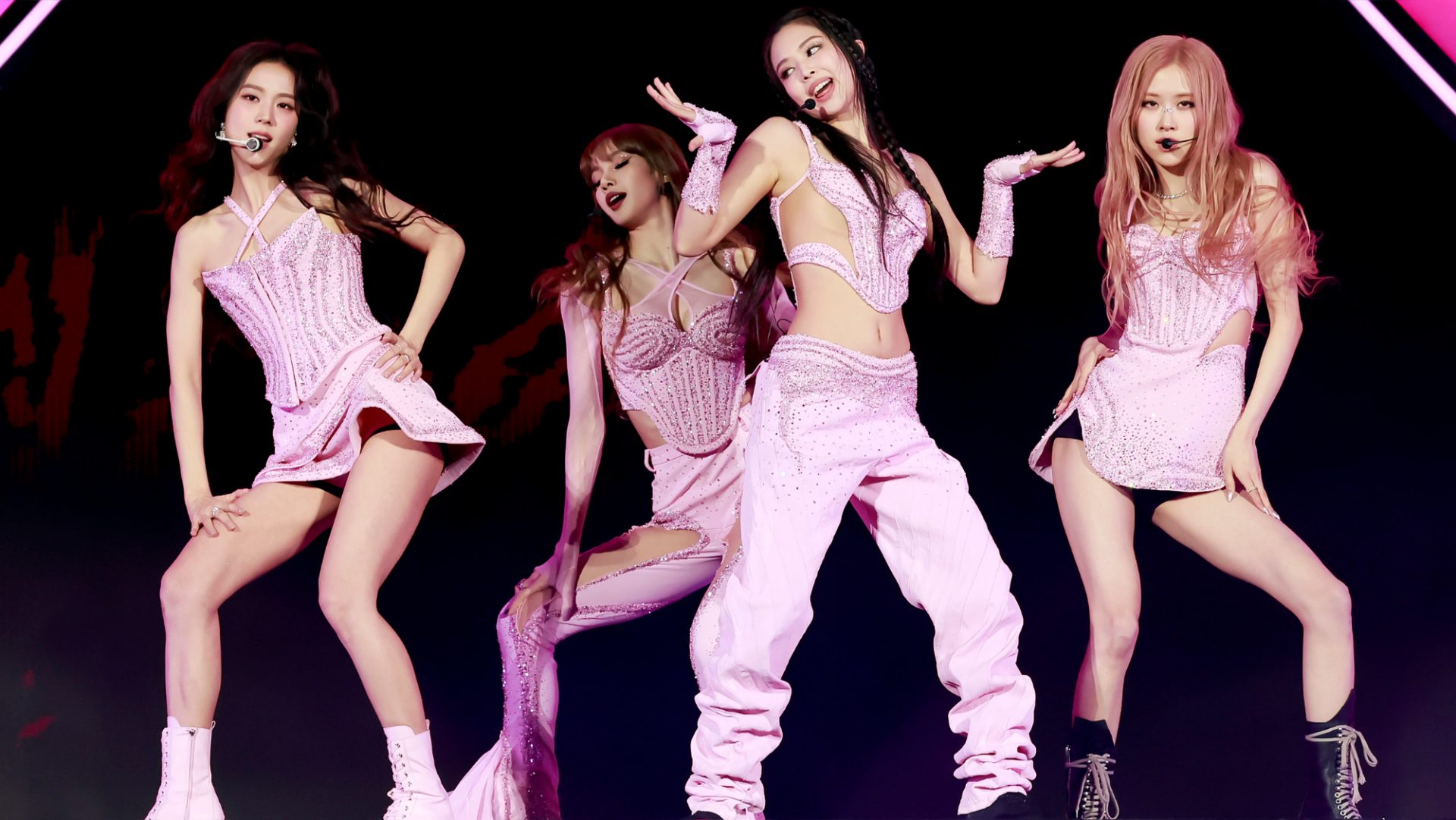
K-Pop is only part of Korea’s musical heritage (I don’t have space to talk about trot, which can be both the saddest and the jolliest music in the world), but it is predominant both at home and abroad: and right now two of K-Pop’s biggest phenomena are returning to the arena. Blackpink, the hugely popular girl group, have just released Deadline, their first set of songs since 2022, while the true titans of K-Pop – BTS – are about to release Arirang, their first album since 2020 – and their first since they completed their military service.
The two acts are very different. Blackpink are part of an older pop tradition, the girl group. First encountered in its modern form via (Japanese) J-Pop, and hugely influenced by the 1990s productions of Max Martin, K-Pop girl groups came to the fore in the noughties with the likes of Girls’ Generation and Wonder Girls, and Blackpink are the latest incarnation of that sound, with snappy, anthemically chorused songs, dance routines and a powerful insistence on shouting “BLACKPINK! IN THE AREA!” at the start of every song. They’re also notable for having members who grew up outside Korea.
Jennie spent time in New Zealand and Rosé was raised in Australia, while Lisa, who played Mook in season three of The White Lotus, is from Thailand. This reflects the ever-increasing international flavour of K-Pop.
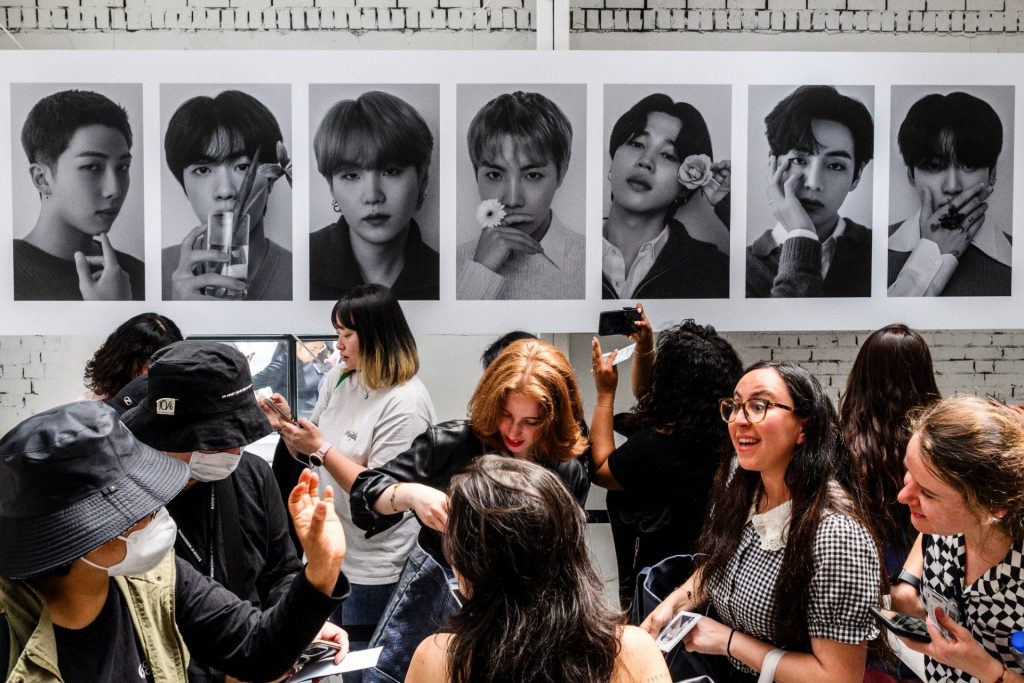
Blackpink are popular, but BTS are beyond popular. Their YouTube channel alone is followed by 40 million fans (known, aptly, as ARMY). They’ve sold the equivalent of anything between 105m and 142m albums, while their crossover hit Dynamite has been streamed more than 2bn times. Their return – Elvis-like, post-military service – is a seismic event: BTS’s determination to continue has excited millions of fans, and there will be scenes at their shows reminiscent of Beatlemania. The new album, Arirang – named after Korea’s most famous traditional song, an anthem of yearning for one’s homeland – will undoubtedly dominate the charts: it looks as if it will be a BTS summer.
BTS differ from their competitors not just in size, but also in their unique nature. The cliched view of K-Pop artists is as a group of teenagers thrown together almost at random, groomed for success, living in dormitories together, eating the “one cup” (of rice) diet, training for hours, released into an overcrowded market and, if the hits don’t come, they are washed up at 18.
BTS, however, took another path: formed around the young rapper RM (it stands for Rap Monster), the group embraced all the usual aspects of their chosen field – dancing, singing, making endless YouTube videos – but added to the mix an unusually questioning attitude to everything they do.
There are the pop songs – before going into the military, as if to remind the world who they were, BTS released a string of western-style singles (Dynamite, Butter, Permission To Dance) that were almost anonymously peppy – but most BTS records are surprisingly contemplative. In part this is down to RM and fellow rapper Suga’s background in Korean hip-hop, a genre forced to be self-questioning because it is obsessed with the authenticity of Black American rap culture but can never be part of that culture – and therefore has to invent itself afresh (to quote early K-rapper Jerry.k: “What we can understand and share is very different because our cultural, legal, economic, and historical standpoint is different from that of America… we cannot make something great by copying American hip-hop”).
BTS songs are all about identity, sometimes in a melancholy manner, sometimes defiantly (as in Idol from 2018 – “You can call me artist/ You can call me idol,
I don’t care”).
BTS don’t sound like a K-Pop band: it’s hard, to be honest, to say what they do sound like, a furious, constantly moving, whirlwind of songs and raps, self-confident but also self-aware. And this bodes well for their home nation: BTS are a band at the forefront of hallyu: their music and attitude have an extraordinary depth: and they have attitude.
Talking to an interviewer in 2023, RM said of K-Pop’s rise: “In the west, people just don’t get it. Korea is a country that has been invaded, razed to the ground, torn in two. But now, the whole world is looking at Korea. How is that possible? How did that happen? Well, because people try so fucking hard to better themselves.”
And, while Blackpink have returned with JUMP (capital letters are big in K-Pop), an EP (or album, depending on your point of view) in the classic pop tradition – apart, that is, from the final track, Fxxxboy, an acoustic ballad that asks the question, “How’s it feel now I’m the fuckboy?”, BTS have, typically, both raised the bar and moved the goalposts all at the same time.
Suggested Reading

We’re addicted to apocalypse porn
The animated trailer for Arirang shows seven young men in suits standing round a vintage phonograph and singing along to a wax-cylinder recording. It’s a surprising image for a modern pop group’s comeback, but, as with everything BTS do, there’s a point to it.
BTS are referencing the “Seven Koreans at Howard”, a group of young Korean men who fled to America in 1896 for mysterious reasons and ended up at Howard University, a college mostly known for its African-American intake. The seven men thanked their rescuers with a show of Korean songs, and in July 1896 one of those songs – Arirang – was recorded, the first recording of Korean music anywhere in the world.
Lest there be any doubt that BTS – also a group of seven men who sing – see a connection between themselves and the Howard men, the video jumpcuts from 1896 to 2013 and BTS’s concert debut, thus placing BTS as part of Korean tradition, Korean culture, and Korea’s omnipresence in the world today. And just to hammer home the point, a red thread – an old Korean symbol of connection and destiny – links the men of 1896 and the men of 2026. You don’t get any of this with Boyzone.
BTS have always been a group who intend to last: just like the new Korean wave. In a world where movie directors like Bong Joon Ho (Parasite) and Park Chan-wook (Decision To Leave) are feted for their originality and commercial nous, where K-dramas are regular TV viewing, and the “K” in KFC doesn’t stand for Kentucky – and, maybe, where one day documentaries about hallyu won’t feature western comedians from panel games going to Seoul to be patronising – K-Pop won’t be a standalone section in a record shop, but an acknowledged force in world pop culture.
Things are changing. It’s a K-World, and we just live in it.
David Quantick wrote for NME between 1983 and 1996. His new novel Imagine a Friend is out now. He is still seeking a publisher for his next novel, Black Ocean