Why do we bother reading? What’s the point of it?
Sometimes, it’s to learn something new or kill some time on a sunlounger. On occasion, it’s definitely performative, trying to impress… What? Who? Some unknown quantity, perhaps ourselves. A lot of the time, we’re just trying to make sense of the basic, elemental pieces of ourselves and desperately need to connect with something that might offer answers or else blow the whole thing apart.
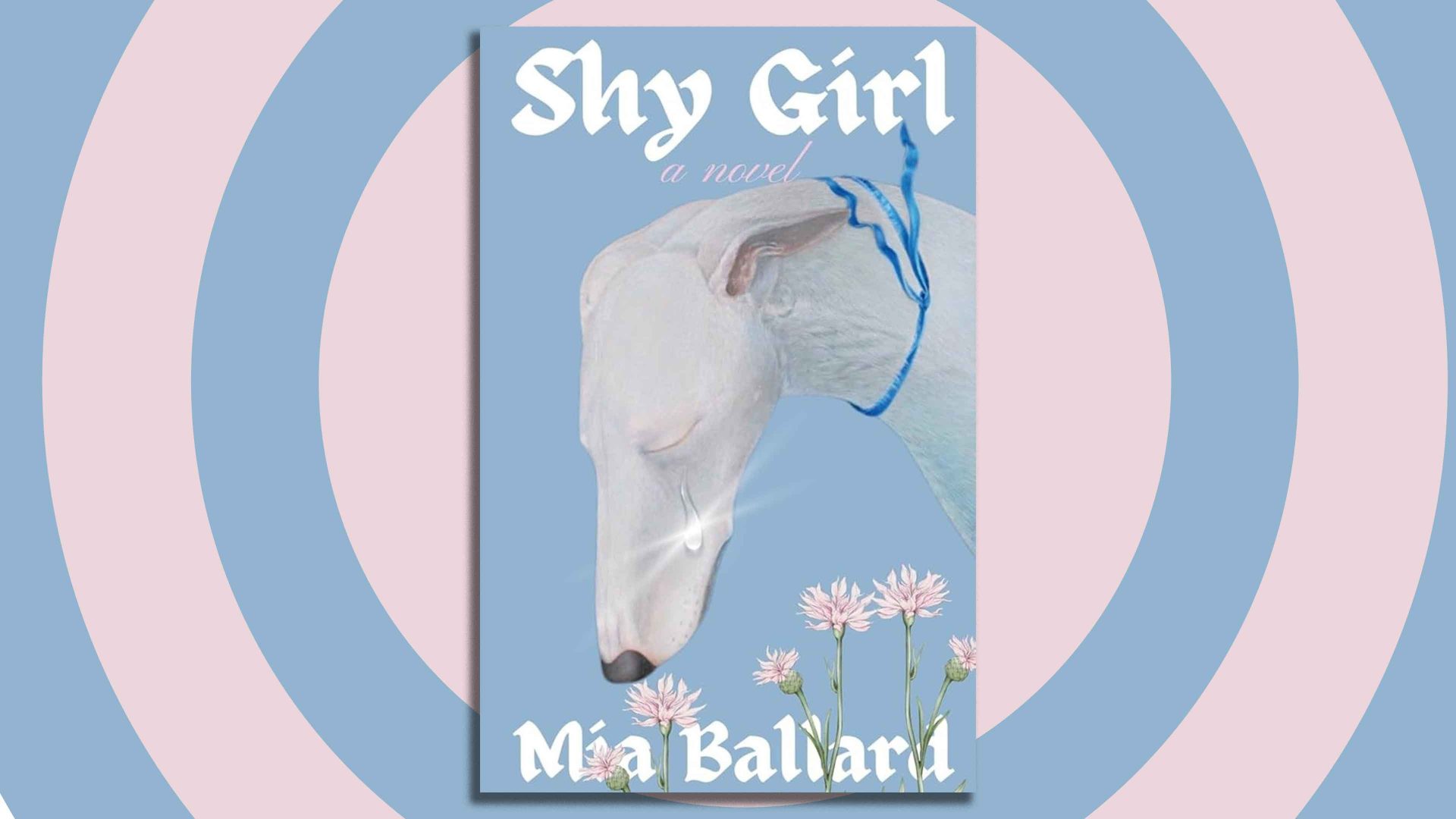
In recent days – just as an amusing row breaks over Matt Goodwin’s use of ChatGPT in his new book of migration polemic, Suicide of a Nation – it’s been reported that a “femgore” horror novel by American poet Mia Ballard, entitled Shy Girl, will no longer get its planned US release. The UK version of the book, published last November by Hachette, will be discontinued.
Originally self-published, the book has raised suspicions about AI and whether it was involved in its production in some form or another. It’s the first time, as far as I can tell, that one of the big five publishers (Penguin Random House, HarperCollins, Simon & Schuster, Hachette and Macmillan) have withdrawn a book due to potential AI use.
The author has denied using AI to write it, but claims someone editing the self-published version of Shy Girl did use it. Ballard didn’t expand further for legal reasons. Hachette released a statement claiming they ask all authors to declare any AI use on submission and remain committed to “protecting original creative expression and storytelling.”
Now, as you may have noticed, this potentially AI-riddled book has already come out. Once the self-published version started shifting units, it was picked up by the publishing giant, who released it here last year. This means the book, presumably, was read by someone who thought it worthy enough to release and then travelled through the usual professional editing process, which involves several steps (draft edit, copy edit, legal edit, proofreading) with no one spotting anything amiss.
Suggested Reading

Who needs Madonna when we’ve got Tracey Emin?
It was down to various YouTubers, Redditors and internet commenters to raise concerns. Only when the critical mass of suspicion reached tipping point did the publishers react. (It must be said, plenty of people also read and enjoyed Shy Girl – most ratings on Goodreads are four stars out of five. Although the first review on the site, from several months ago, opens with: “I am quite certain that this was written by ChatGPT”.)
So did the publishers simply not notice that the book may have had AI dalliances (where many readers and commenters did)? Or did they notice, or have suspicions, and didn’t care, until they were caught?
In their defence, the pressure on editors must be enormous. Four million books were published last year in the US, most of those self-published, a rise of 32% over the year before. And, as Shy Girl shows, that barrier between self-publishing and traditional publishing is getting pretty permeable. Publishers now have to traverse the slush pile and the slop mound to sniff out their next bestseller.
But if the professionals are unwilling or unable to spot AI churn, what’s to stop the tide of slop that many writers fear is coming to eat them?
I’ve no clue how much, if any, of Ballard’s book was created using AI. I’ve never used ChatGPT or similar and I’m not sure I’d be able to detect something written by a robot. I hope I could. I’d like to imagine I could identify the soullessness inherent in something derived by machine. But who knows?
Presumably, as AI gets more sophisticated, at some point, no one will be able to tell the difference. And if the gatekeepers, such as publishers and editors, are unable or unwilling to stop the slop, AI is bound to have an impact on our imaginations. Or will it?
For decades, astronaut food has existed. Full meals in pill or paste form that can provide all the nutrients we need with less of the fuss. No cooking, no cleaning, no buying ingredients. It would make perfect sense for busy humans to use this method to fuel ourselves. But we don’t. Because we want things made by two hands a brain. It has to be an experience. We want to feel something as we throw crumble down our throats.
That’s why AI will never win. There might be some outliers, a few novelty creations that make it to the shelves. The bottom line is too tempting for the big boy publishers. Harry Potter won’t pay the bills for ever.
AI might fill some gaps here and there. But I honestly have faith in readers to refuse the slop and insist on brutal reality. Because that’s why we read, to feel some vital, inherent connection to another human being, whether it’s Rabelais or Jackie Collins.
AI can replicate but it can never replace. We demand to be transported, and it takes a fellow human being to do that.
Dale Shaw is producer of the You’re Booked podcast