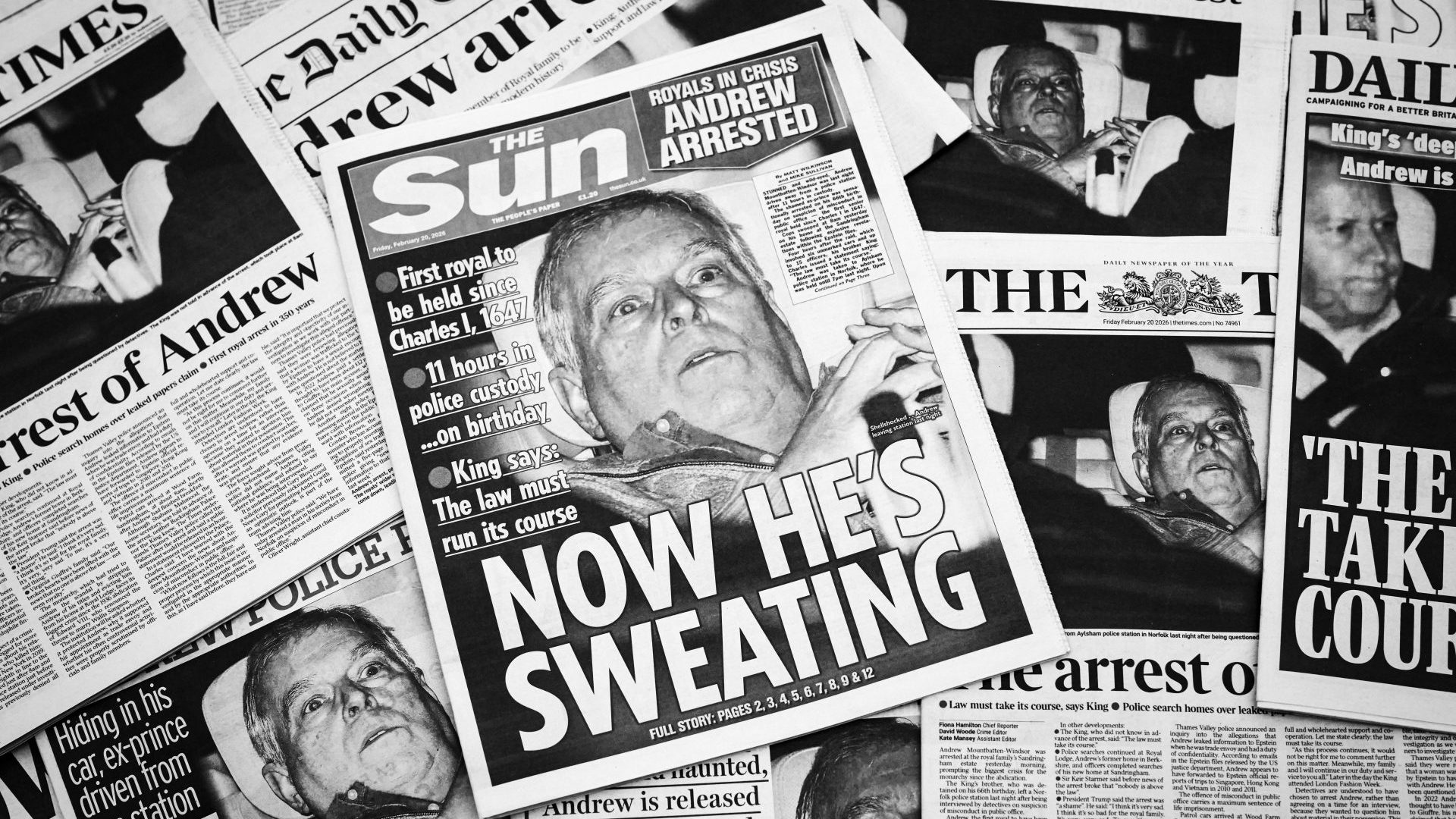
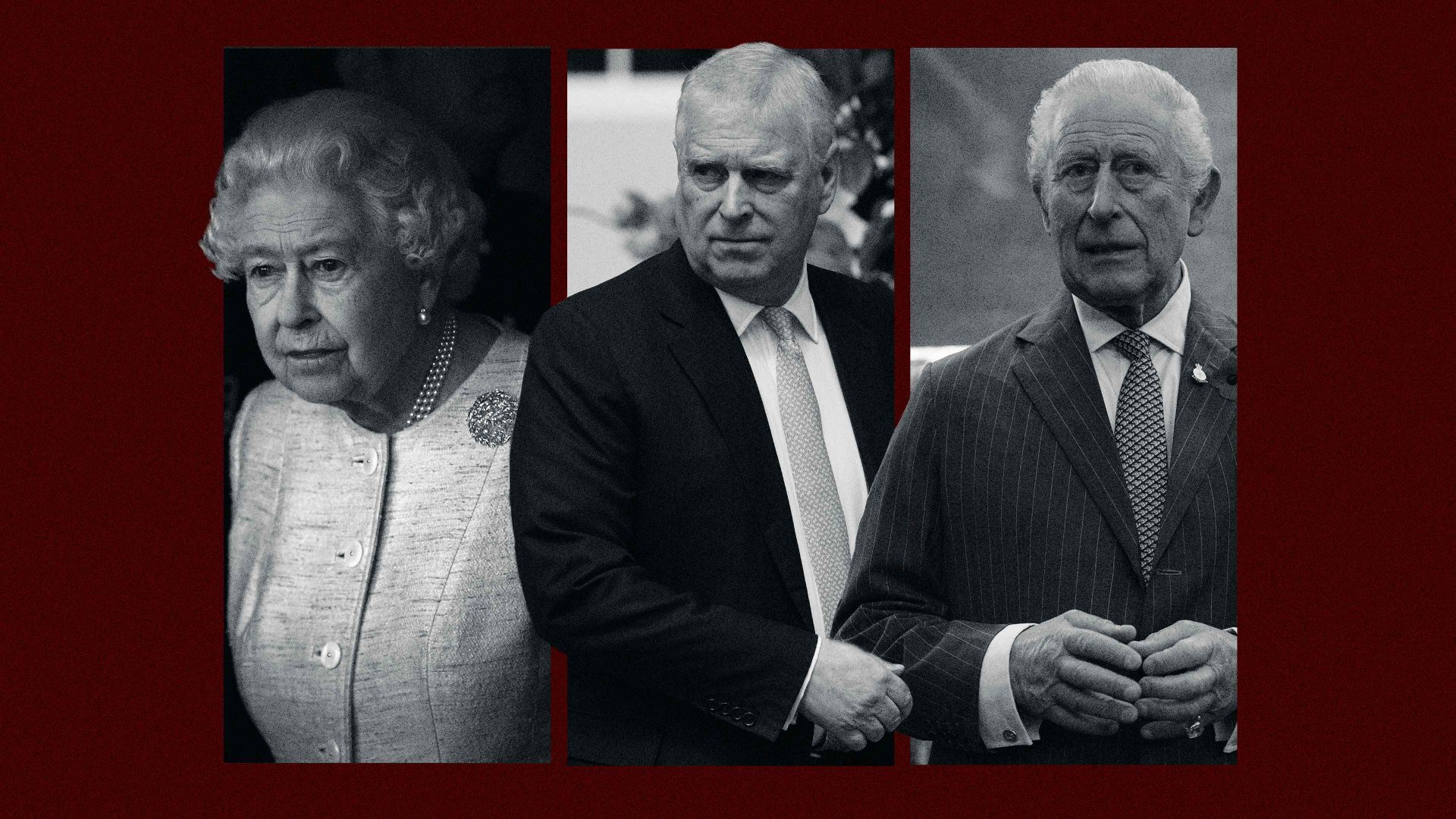
The arrest of Andrew Mountbatten-Windsor will hopefully lead to what the Windsors themselves were incapable of doing: applying a punishment to fit any crimes he may be convicted of. Expelling him to the Sandringham gulag was nobody’s idea of purgatory.
As it is, King Charles’s great final test of his reign will be damage control. Constitutional monarchies are thin on the ground. The Windsors manage the only one of significance, and they have done a terrible job.
That indictment begins with Queen Elizabeth II. Her parenting was never very balanced. She never really warmed to Charles, even less so when he delivered the Diana soap opera.
Andrew, on the other hand, made her laugh. In her company, he wasn’t as lewd as with his pals, more like the robust mansplaining of Philip. No sense that perhaps he could be the undoing of the monarchy as we know it.
As the Andrew trail of depravity and cupidity gradually progressed, the family responses were always too little and too late. Both the Queen and then Charles appeared as defenders of a culture of permissiveness – itself an extension of the bubble of privilege and wealth in which the family exists. Andrew embodied an arrogant sense of the immutable rights of inherited wealth without ever having a real job or any sign of a useful talent.
Suggested Reading

Andrew’s reckoning belongs to the survivors
Much of the media have been accomplices in this fiasco. As The Economist noted in its detailed and masterly takedown of the Epstein ecosystem, “royal correspondents have largely defaulted to deference.” The truth was that royal drivel was a powerful business model for the tabloids, and the palace always had the sanction of withholding the source of the drivel.
However, a certain modesty becomes me after a life of investigative journalism. Along with all the sentinels of the Fourth Estate, I had no idea that for a whole decade, Epstein had his own man at the heart of the royal businesses. The revelation that the German businessman David Stern was an Epstein mole (“I am always on your team!!” he emailed the paedophile in 2016) while director of Andrew Mountbatten-Windsor’s Pitch@Palace business left me gobsmacked – and the few palace insiders who would talk to me were as traumatised as they were as useless as sources.
This unprecedented breakdown of the palace’s security and vetting system was the equal of Soviet master mole Anthony Blunt’s comfortable residency for years at Buckingham Palace until Margaret Thatcher outed him (the Queen already knew he was a traitor though probably not that he had come very close to leaking the true location of the D-Day landings in Normandy).
The Economist’s AI-assisted analysis of the Epstein web revealed that Stern was mentioned more than 7,000 times in the hotline traffic to Epstein – that works out at more than once a day, though of course, the actual rhythm was paced differently. A forensic eye would see that little that went on in the inner functions of the royal family was missed in the messaging to Epstein.
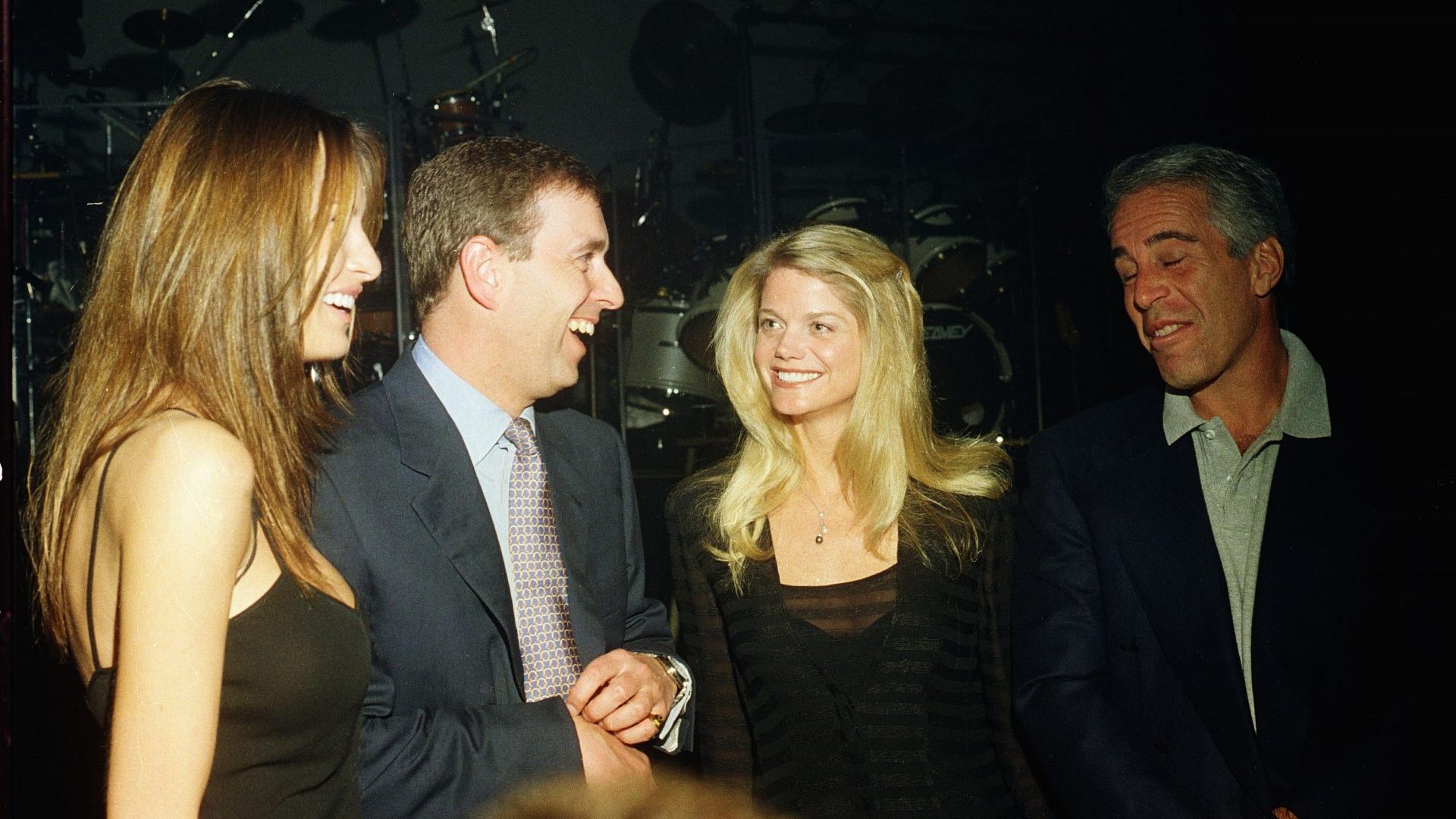
Andrew should have been stopped long ago – and could have been if the royal household had been professionally policed. In 1999, some friends of Andrew’s ex-wife Sarah Ferguson (a conspicuous consumer of Epstein charity) were alarmed by the influence Ghislaine Maxwell was asserting over Andrew and said, “We must break the hold that Ghislaine has on him.” But they didn’t.
That was a pattern. There was a moment in 2017 when the Queen’s private secretary, the formidable mandarin Christopher Geidt, became concerned that Charles was trying to take over more of his mother’s role than he thought appropriate – and at the same time he was trying to police Andrew’s business activities. (Pitch@Palace, directed by Stern, had just started operating as an intermediary between entrepreneurs and investors and therefore controlled information prized by unscrupulous outsiders).
Charles and Andrew, in a rare moment of unity, decided that Geidt had become an overmighty subject. They persuaded their mother to dump Geidt, who was sent out to pasture elevated as Baron Geidt.
None of the belated and serially applied sanctions to Andrew was anything like adequate. Now the price of that is being paid. A court insider told me, “The king is besieged on all sides. This will go on until a change of reign.”
Alas, poor William. He has long loathed Andrew.
Has he the will to clean out the stables? In the polls, 65 per cent of under-35s have had enough and favour a republic. Of course, nobody knows what that would look like, and no future prime minister would want the distraction of the constitutional crisis that would be involved.
Being part of the fall of the House of Windsor must feel like death by a thousand cuts.
Clive Irving is the author of The Last Queen: The Remarkable Story of Elizabeth II’s Seventy-Year Reign and the Future of the Monarchy