Attacks against foreigners are rare in China. It’s a low-crime country. But last year in the southern city of Shenzhen, a man stabbed and killed a 10-year-old Japanese boy on his way to school.
It occurred on September 18, a date of historical significance – on that date in 1931, the first Japanese bomb exploded in Manchuria, in northern China. It was the prelude to the full-scale Japanese invasion. The Chinese killer was later sentenced to death and executed.
What emerged was a sense of alarm that China’s history education and frequent nationalistic propaganda were going too far. If you constantly reminded people of Japan’s and the west’s past wrongdoings against China, was there a risk of driving them into irrational hatred?
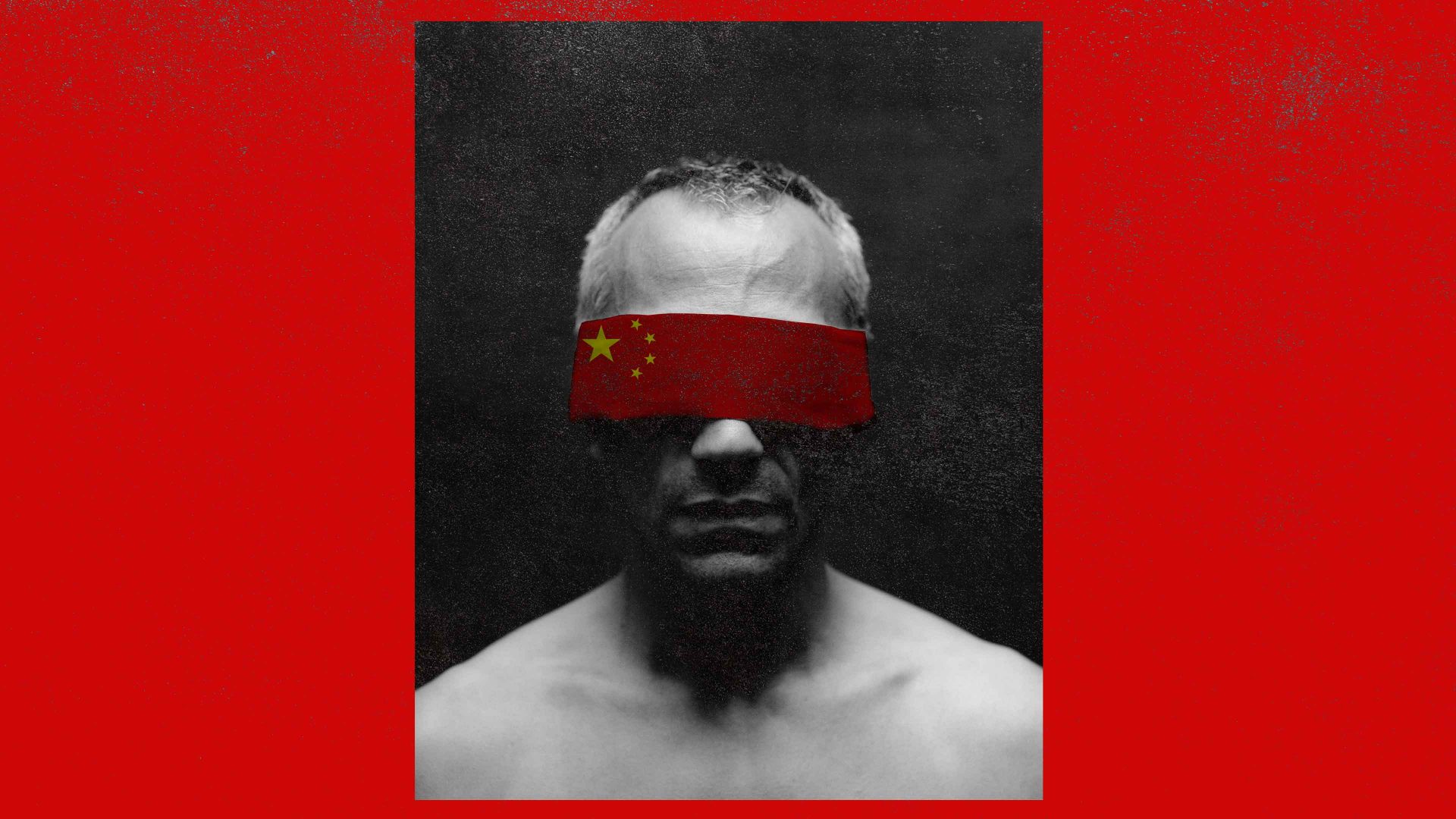
“Definitely, you cannot forget history, but you can’t take out your frustration against Japanese people,” one friend said. “You should have a basic understanding of history, but you need to know that you must break out of being brainwashed. They wouldn’t know that if they lived in China.”
In the stabbing case, people from Shenzhen and other parts of China placed hundreds of bouquets outside the school and wrote tributes for the boy. In another case, a Chinese person suffered serious wounds while protecting a Japanese mother and her child from an assailant.
Ordinary Chinese generally do not harbor any ill feelings towards Japanese people, or foreigners. Families like mine avoid talking about the war simply because it’s all so painful. I didn’t know anything about what my family went through until recently, when I asked older family members about it.
Given the vilifying of China by the US and other hawkish politicians, Chinese people feel all the more desire to show a welcoming face. My niece, a white American, was surprised when she visited China last summer and the people she met were friendly and helped her with her suitcase.
The Chinese I’ve met are curious about people from other countries. Japanese and American pop culture, such as anime, basketball and Taylor Swift, are hugely popular.
“China is very diverse, many people have many different views. What is portrayed might be that China really hates Japan. But it could just be censorship that wants to portray this. You don’t know what most people think,” said my friend. “Regardless of whether it’s my elementary, junior and high school and college friends, they won’t think [history lessons] should influence how we see Japanese people nowadays.”
Perhaps fortunately for the British and other European countries, the period of history when it wronged China is farther removed from the present, so it’s not mentioned much. To force China to open the country to more foreign trade and to earn silver, which was the only payment the Qing Dynasty rulers would accept, in the mid-1800s Britain and France used their military might to force Beijing to allow opium imports. This resulted in China’s defeat and the forced signing of unequal treaties, which opened more Chinese ports and ceded territory to Western powers, including Hong Kong as a colony to Britain.
From interviewing historians, I learned that many westerners also don’t know their own country’s history, especially as it relates to China and other parts of Asia, because English-speaking countries and their books simply don’t teach as much about this part of the world. I remembered learning more about the European monarchs in textbooks while growing up in California than about Asia.
To be fair, everyone should teach and learn their own country’s good and bad history. Japanese friends my age or younger told me they knew nothing or little about the extent of Japan’s wartime atrocities until they went abroad to study.
Suggested Reading
China’s new dark history
Even to this day, there’s a serious dearth of knowledge. A friend in Boston who grew up in Nanjing, where the Japanese massacred more than 300,000 people during the second world war, said she was saddened and surprised when her daughter came home from school one day and told her that her Japanese-American classmate said the killings were all a fabrication.
It was also surprising for me a few years ago to visit the controversial Yasukuni Shrine in Tokyo where wartime criminals are honored, and to see a fighter jet on display, along with details of how many enemy planes it had shot down. Another explanation inside tried to justify Japan’s invasion by saying it needed natural resources and was trying to save China and the rest of Asia from western colonisation.
As China is now stronger and more confident, it is also beginning to tell its history to the world, including on its global news network CGTN and through films such as “Dead to Rights”, which depicts the full horror of the Japanese invasion. The film is based on a true story at a Nanjing photo studio, and attempts to smuggle out photographic evidence of the unfolding atrocities. The film has been selected as the Chinese entry for Best International Feature Film at the upcoming Academy Awards.
China has a right to tell and commemorate its own history, just as Europe does every year on VE Day, without being accused of having a nationalistic motive.
But perhaps China should begin to openly confront its own historical mistakes which also led to immense suffering among its own people. It can learn from western countries that realise such past wrongdoings will eventually catch up with them. Albeit very belatedly in many cases, some have apologised and compensated. In September, Denmark finally apologised for the forced contraception forced on indigenous women in Greenland in the 1960s and 70s. Canada has also issued multiple apologies to indigenous peoples for historical injustices, including one this year for forced relocations.
Other than some Japanese officials expressing regret over wartime atrocities, Beijing can argue that none of the other aggressors including Britain have apologised for wrongdoings against China or to other countries during the colonial era, including its role in the African slave trade. Chinese people are still aggrieved that stolen cultural treasures in the British Museum still haven’t been returned.
The day of reckoning will come for every country, because people never forget when their sufferings were so devastating. Even citizens who did not suffer, upon learning of their own country’s dark history, demand that the truth be told and wrongs be righted.
Already, some overseas Chinese feel confused or resentful that they were “fooled” by the way the government presents China’s history, and that they were cheated of their youth during periods such as the Cultural Revolution.
“Definitely, what I learned was not enough,” my friend in Hong Kong said. “But I’m slowly realising.”
I’ve come across young Chinese visitors to Hong Kong who didn’t know about the Tiananmen Square massacre.
But people are learning on their own. It’s unrealistic to think Chinese people can be kept in a cocoon forever, especially in this internet age, when global information can’t be censored and can be accessed once people step outside China.
And it wouldn’t serve China or any country well to have its young generations grow up ignorant of history, seeing it only as a list of grievances. That could lead to ignorance, hatred and an inability to truly understand and cooperate with people from other countries.
Lessons of the past, no matter how shameful, are a useful foundation for building a nation’s self-awareness. As Confucius said: “Study history, study history. In history lies all the secrets of statecraft.”
 Most popular

GB News Scandal: How Ofcom let GB News corrupt British media

My late friend’s final message: Never work for the Daily Mail


James O’Brien says the press have gone mad – and it’s worse than you think


Trump is losing his mind .. and losing America too