Ofcom’s job of regulating content is not straightforward. It must balance freedom of expression and the public interest against audience protection and the risk of misinformation. It’s a role that requires strong editorial judgment and objectivity.
For years, Ofcom was regarded as the gold standard. It was admired internationally for setting and enforcing appropriate standards and, crucially, for getting that balance right. It was not heavy-handed, but nor was it afraid to act when necessary. Above all, it was transparent, explaining – sometimes at great length – how it reached its decisions.
Something has changed over the past five years or so. Many in the industry now question how Ofcom is operating. Cases that appear to raise serious issues under the Broadcasting Code are not being investigated. Some of the most significant decisions are no longer explained.
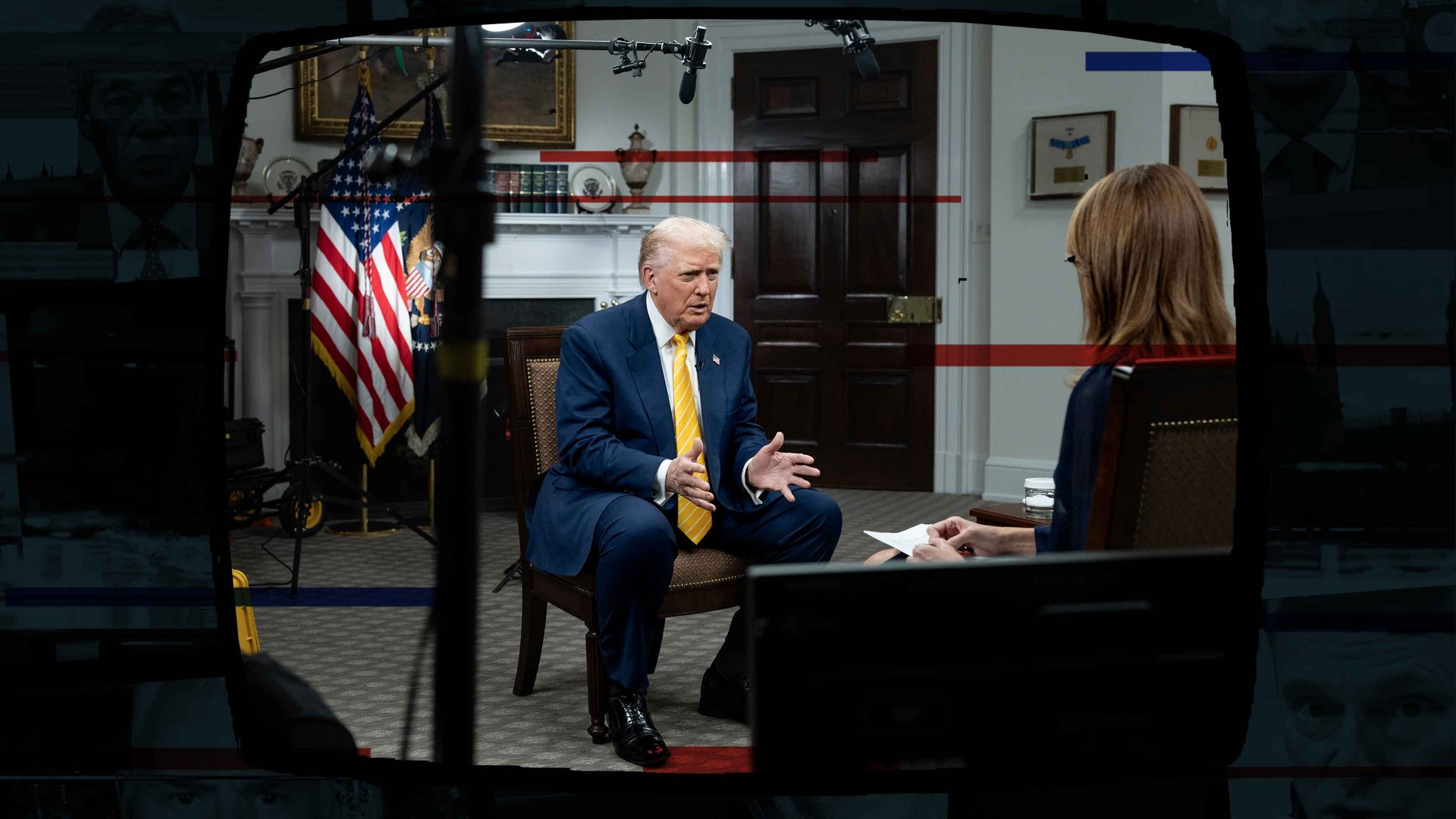
Take the recent and controversial GB News interview with president Donald Trump on The Weekend. There was no on-air challenge to controversial issues such as opening up new UK oil fields, claims that climate change is a “hoax” and that British forces had been deployed on the streets. Yet Ofcom has not even investigated. Without a clear explanation as to why, it is difficult to understand how that conclusion was reached – or what due impartiality now means in practice.
Nor is this an isolated case. Despite receiving tens of thousands of complaints each year, the number of investigations and published decisions has dropped dramatically. In 2019, Ofcom published 142 editorial decisions. Last year, it was 36.
Fairness and privacy complaints have remained broadly stable, yet the number of published decisions has plummeted. Between 2014 and 2024, the average number of published decisions was 37. Last year it was three – and two of those complaints were about the same programme.
Ofcom has a legal duty to publish these fairness and privacy decisions where they are investigated, which suggests that almost all of the complaints are being dismissed at a very early stage. Individuals who believe they have been treated unfairly in a programme or had their privacy infringed are not having their cases heard.
Ofcom is under a statutory obligation to be transparent and accountable but we no longer see why it’s rejecting thousands of cases. No regulator can publish every decision. But where there is clear public interest, or significant media attention, transparency requires more than a brief, two sentence response to press inquiries or a single line in the back of the bulletin. As a result, it is unclear why complaints are not pursued or why content is deemed compliant.
The consequence is a growing perception that the goalposts have substantially shifted. The threshold for due impartiality appears to have changed, now allowing the broadcast of partial or misleading material that would previously have required challenge or context. Yet there has been no consultation and no change in the underlying law. Broadcasters, such as GB News, have redefined what it is to be duly impartial and Ofcom has gone along with it.
There is a legitimate argument that with the onslaught of online content, requirements such as impartiality and accuracy for broadcasters are outdated and no longer possible to police. But that is a question for Parliament, not the regulator. It should be the subject of open debate and democratic decision-making.
Instead, Ofcom has taken off the guardrails for accuracy and impartiality, without formal change. At a time when misinformation and echo chambers are proliferating, the case for reliable, impartial and trusted news sources is stronger, not weaker.
Suggested Reading
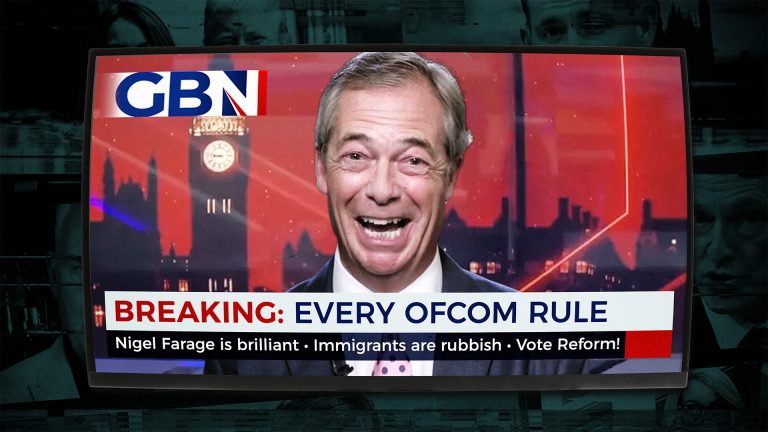

Screen scandal: How Ofcom lets GB News get away with it
Requiring broadcasters to be accurate and duly impartial is, of course, a restriction on freedom of expression, for both broadcaster and audience. But in the UK that freedom has never been absolute. It is qualified, for example, in the interests of public safety and the prevention of incitement. Courts have consistently upheld Parliament’s right to impose standards in broadcasting. Until the law changes, those standards including accuracy and impartiality, remain.
Many have speculated on how Ofcom has allowed this situation to develop. Some suggest caution in the face of legal challenge, particularly following GB News’s successful judicial review on the definition of a news programme. Perhaps it comes from the leadership who view standards regulation as outdated. Or possibly it’s accidental.
As a new kid on the block, Ofcom gave GB News some leeway. But the broadcaster kept pushing and pushing at the boundaries to see what they could get away with. It has been allowed for so long, Ofcom can’t rein it back in. So some broadcasters now have a legitimate expectation of what they can transmit and their business model is built on partial content and material that makes great click-bait.
This raises a further question: has a two-tier system emerged? Public service broadcasters and other channels appear to be held to stricter standards, while the rest operate with greater flexibility.
The contrast is striking. As The New World’s Special Report points out, the BBC was dragged over the coals for breaching due impartiality rules when interviewing the well-known climate change sceptic, Nigel Lawson. But day after day, GB News refers to climate change as a hoax, demands the government open up oil wells in the North Sea and attacks the cost of renewables.
Suggested Reading
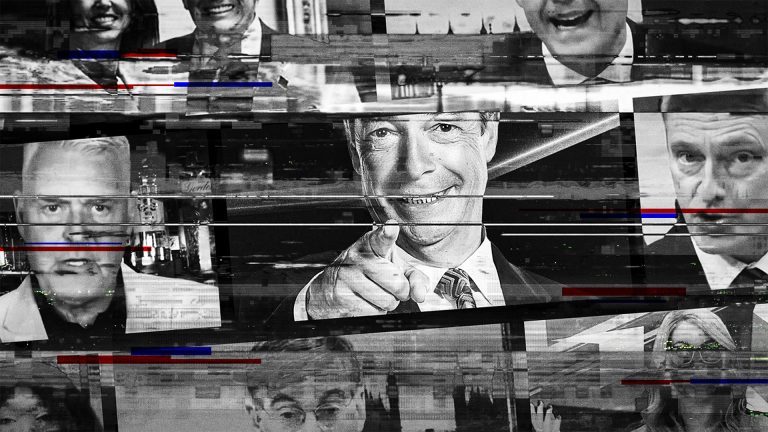
GB News Scandal: Read our dossier of their flagrant Ofcom breaches
All are positions that can be aired and debated, but frequently there is simply no meaningful challenge to these presenter statements and guests’ views. The purpose of due impartiality is to ensure that the audience is presented with all sides of the argument.
The government will shortly appoint a new Ofcom chair, as Lord Grade’s term comes to an end. This presents an opportunity for the regulator to reflect on its approach and assess whether it is regulating broadcast standards appropriately. The issue is not the rules themselves, but how they are applied. Restoring confidence will require greater transparency and a willingness to explain decisions clearly. It may have to ask the public – are we regulating news and current affairs correctly?
The Culture, Media and Sports Secretary, Lisa Nandy, has promised to act warning that we have a “a very very dangerous environment… where people can’t trust what they see”. Ofcom must remain independent, and political interference in editorial decisions would be a serious mistake. But Parliament may wish to clarify, through legislation, what impartiality means and where it should be applied.
Chris Banatvala was Ofcom’s founding director of standards and content board member responsible for drafting and enforcing its Broadcasting Code and investigation procedures
 Most popular
Screen scandal: How Ofcom lets GB News get away with it
GB News Scandal: Read our dossier of their flagrant Ofcom breaches

GB News Scandal: The presenters


Claudia Winkleman’s chat show is afraid of Claudia Winkleman