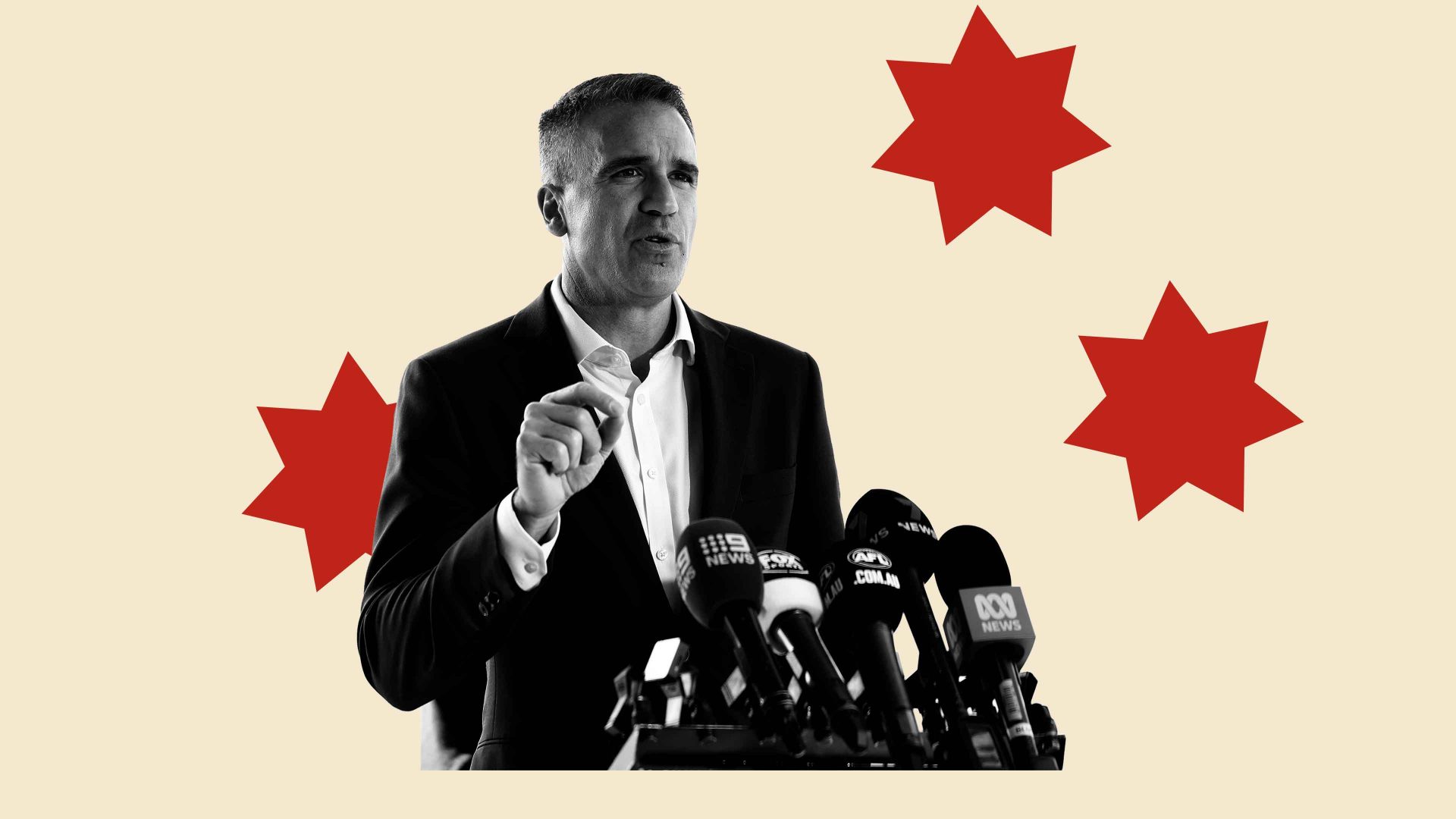
Peter Malinauskas has a lot of advantages for a modern-day politician… he is tall and good-looking and, like it or not, chiselled features, a muscular frame and stand-out-in-a-crowd height are big bonuses in the televisual age.
The name may not be that familiar to you. But most of you will have heard by now that this week Australia is implementing strict limits on the access to social media for children under 16, and “Mali,” as he is known to fans, detractors and headline writers alike, has been the driving force.
He is the premier of South Australia, and when he first proposed the social media ban for his state, the reactions from fellow politicians around the country tended to be in the “bold… foolhardy… what the hell is Mali up to?” category. But he was adamant, and on he ploughed with the plan, which turned out to be so popular with voters that the federal government has followed suit.
Now other countries are taking notice, Denmark, Malaysia and Norway for example, and bringing forward their own social media reforms aimed at protecting young people from harm. I hope the UK joins the club.
Malinauskas and his Labor colleagues are up for re-election in March, and the conventional wisdom is that they will win at a canter. I know him well enough to be sure he will resist complacency, and fight as though his life depends on it, but it would be a pretty foolish bet that was placed on his defeat right now.
He is so far ahead in the polls that an even bigger Labor win seems certain. His main opponent, Liberal leader Vincent Tarzia, seems to think so too – he stepped down on Friday, plunging his party into a leadership election ahead of the real thing.
Suggested Reading
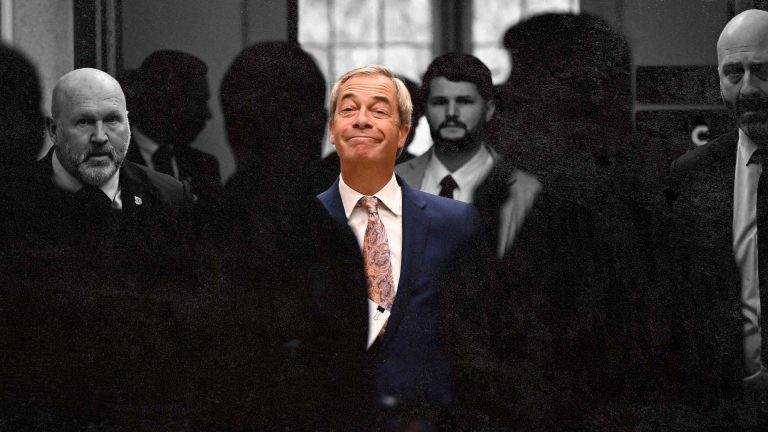
Where is Reform’s money coming from?
So while Malinauskas’s athletic good looks may be a reason for his public appeal, far more important is his determination to use power to make real change, to stake out difficult positions, argue for them passionately, and see them through. There’s a lesson in there for other leaders, methinks.
Malinauskas took the same bold approach to another reform that others described as “impossible… unenforceable… unimaginable” when he first proposed it… a near total ban on all political donations. It is now law. On this too, the UK government might be well advised to take a look, even if it means arguing for state funding of parties.
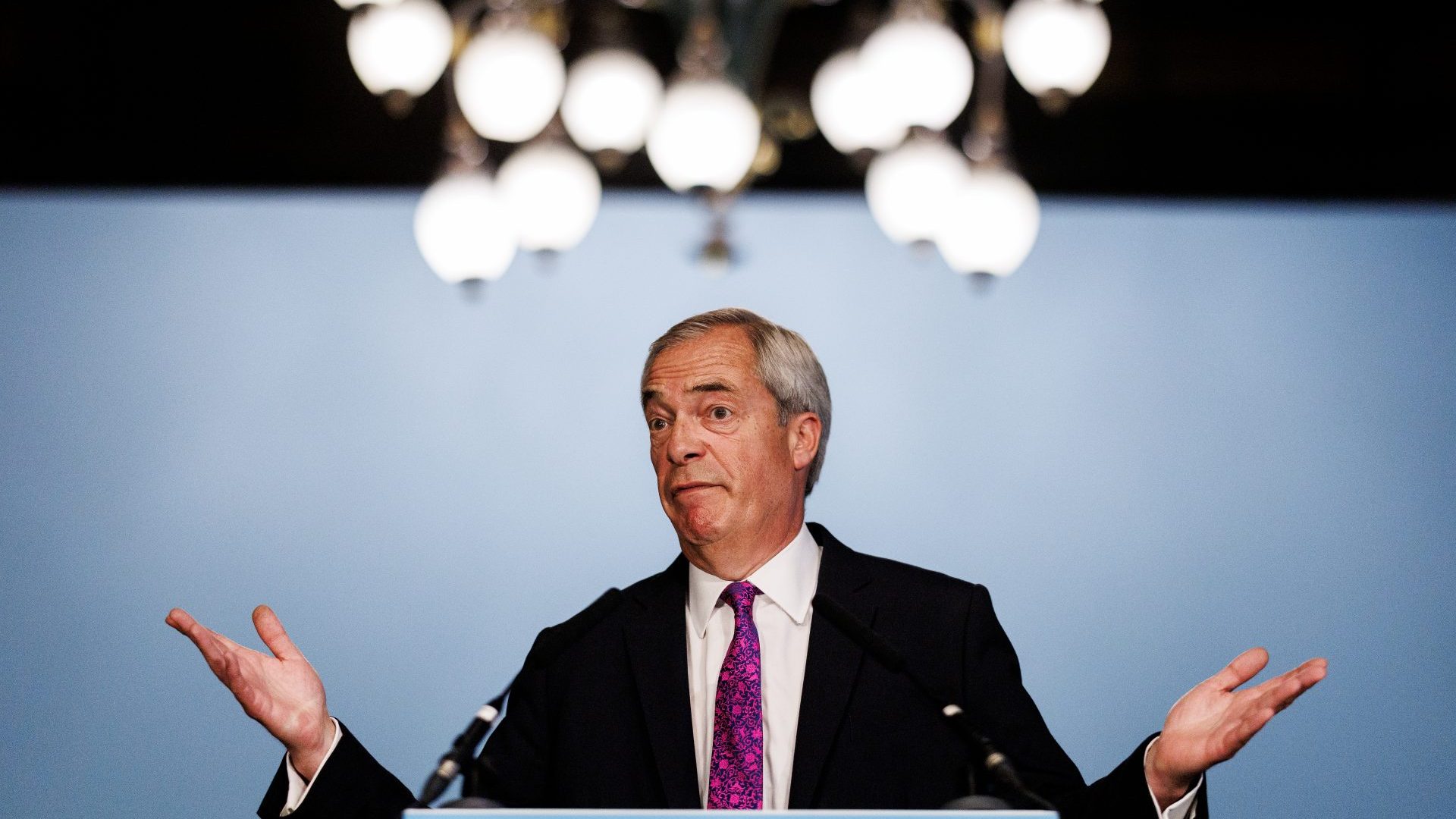
The £9m record single donation to Reform UK from Thailand-based aviation businessman and crypto-dealer Christopher Harborne would not look out of place in US politics, where presidential campaign costs run into the billions. But we are not the US, and spending limits on our campaigns – the kind of sums that are dismissed as chicken feed by American politicians – play a role in ensuring our politics does not become as dirty or as corrupt as theirs.
As I argued before Labour came to power, our entire political system is in need of a major overhaul. Lowering the voting age was a move in the right direction, though I would rather it had been accompanied by a commitment to proper political education, including on the perils of social media and its role in spreading polarisation, disinformation and hate.
On both political funding and social media, Malinauskas has shown real leadership. We would all be better off if our own government followed that lead, and the Elections Bill promised for this parliament offers an opportunity to do so when it comes to funding.
£9m can buy an awful lot of fake accounts, spread an awful lot of false claims, create a lot of distortion in the democratic debate. And if you’re naive enough to think it doesn’t happen, or doesn’t have an impact, ask yourself why Russia spends so much money trying to prove the contrary in elections and referendums across the democratic world.
Talking of which… last week, driving through France, Fiona and I listened to all 10 episodes of a podcast series, Sergei & the Westminster Spy Ring, presented by journalists Carole Cadwalldr and Peter Jukes. I cannot recommend it highly enough, though I warn you that if your rage at Boris Johnson’s Brexit lies, crimes and misdemeanours has mellowed with time, you should prepare for it to be relit.
“The man should be in jail for treason,” Fiona exclaimed during the episode detailing the sordid trip by the then foreign secretary to a party in Italy hosted by the friend Johnson later ennobled, “Lord” (sic … ffs) Evgeny Lebedev.
This, remember, was the time Johnson somehow slipped his government security team, the visit only coming to light when passengers on a return EasyJet flight back to London noticed their fellow passenger, dishevelled, barely able to walk in a straight line, and admitting he had had “a heavy night.”
Later, returning from a holiday in Greece, Cadwalladr found herself sitting on the plane next to Johnson’s sister, Rachel. Ms Johnson was with a friend who had also been at the Lebedev party, and who revealed that Johnson had had dinner while there with Lebedev’s father Alexander, a former KGB spy.
This would all be bad enough at the best of times. But Johnson had literally flown there from a meeting in Brussels of Nato foreign ministers, who had been discussing the attempted murder using chemical weapons of former spy Sergei Skripal in Salisbury, on British soil, which led to the death of a British citizen, Dawn Sturgess.
It all helps explain the extraordinary lengths Johnson went to to ensure the full story of Russia’s interference in the Brexit referendum, and the role of rich Russians in London in his rise and rise to the top, was never told. It should be. And if it was, I suspect Fiona would have a point.
Nathan Gill, once Reform’s leader in Wales and a former Brexit Party MEP, got 10 and a half years for taking Russian bribes. Johnson and his party took the roubles in plain sight, not least the huge sums paid to the Tories by Russians for the delight of playing tennis with the charlatan.
No strings attached, other than those on the rackets. Yeah right. Bring on that Elections Bill.
A few weeks ago, I was talking to a friend of Gianni Infantino – well I thought he was a friend until he spoke about him – and asking what made the Fifa president tick. “Money and power,” he said. “He likes being with people who have money and people who have power, and if they have both, even better. Donald Trump is like a wet dream for him.”
His words came back to me when watching the World Cup draw, and the truly nauseating speech by Infantino on presenting the ludicrous Fifa peace prize to Trump. The World Cup will be fantastic, because football is a great sport. But it really did feel like one of those moments when the sport was losing its soul.
Good to see that my “secret plot”, as exposed by the Telegraph, gathering pace. At the weekend, the Guardian ran a big piece, under the headline: “‘The only idea around’: will Labour return to a customs union with the EU?” The story confirmed that Nick Thomas-Symonds, who has been quietly repairing some of the damage done by Brexit in his role as UK-EU negotiator, had been promoted to full cabinet rank. This welcome development wasn’t even part of my plot when I dreamed it up in the bath, and my thoughts somehow transmitted themselves to the pages of the Daily Telegraph.