I loved a good defection back in the day. The first was my favourite. October 1995, on the eve of the Conservative Party conference, when Tory MP Alan Howarth came over to Labour. It had taken a few weeks to get from the first hint that he might be interested to confirmation that it would happen, and then a few days more so we could announce it with maximum oomph, just as the Tories were gathering in Blackpool.
Observer journalist Tony Bevins (God we could do with a few like him today) was in on the secret from a few days out, as was Sunday morning TV presenter David Frost (ditto) and a tiny circle inside the Blair office. I gathered my team in my house in north London a few hours before the Observer dropped, and briefed them on what was happening, enjoying the sight of their jaws dropping.
Among them was a young press officer by the name of Tim Allan, who is today in charge of comms for Keir Starmer in No 10. As we sat silently waiting for the flurry of calls we knew would be coming, Tim broke the silence by musing: “This must be how terrorists feel when they know a bomb is about to go off.”
The bombshell duly dropped on the Blackpool conference, and our well-laid plan swung into action, to devastating effect. It ruined the Tories’ week, and I loved every moment of it.
It had all gone so well that thereafter I seemed to become the go-to person for defections, and in 1999 came another good one, the Tory MP for Witney, Shaun Woodward. This had the added bonus that he had been a communications director for the Tories, his father-in-law was a prominent Tory, and this time the defection was to a party mid-term in government, when (as Tim is currently experiencing) the norm is for things not to be going too well.
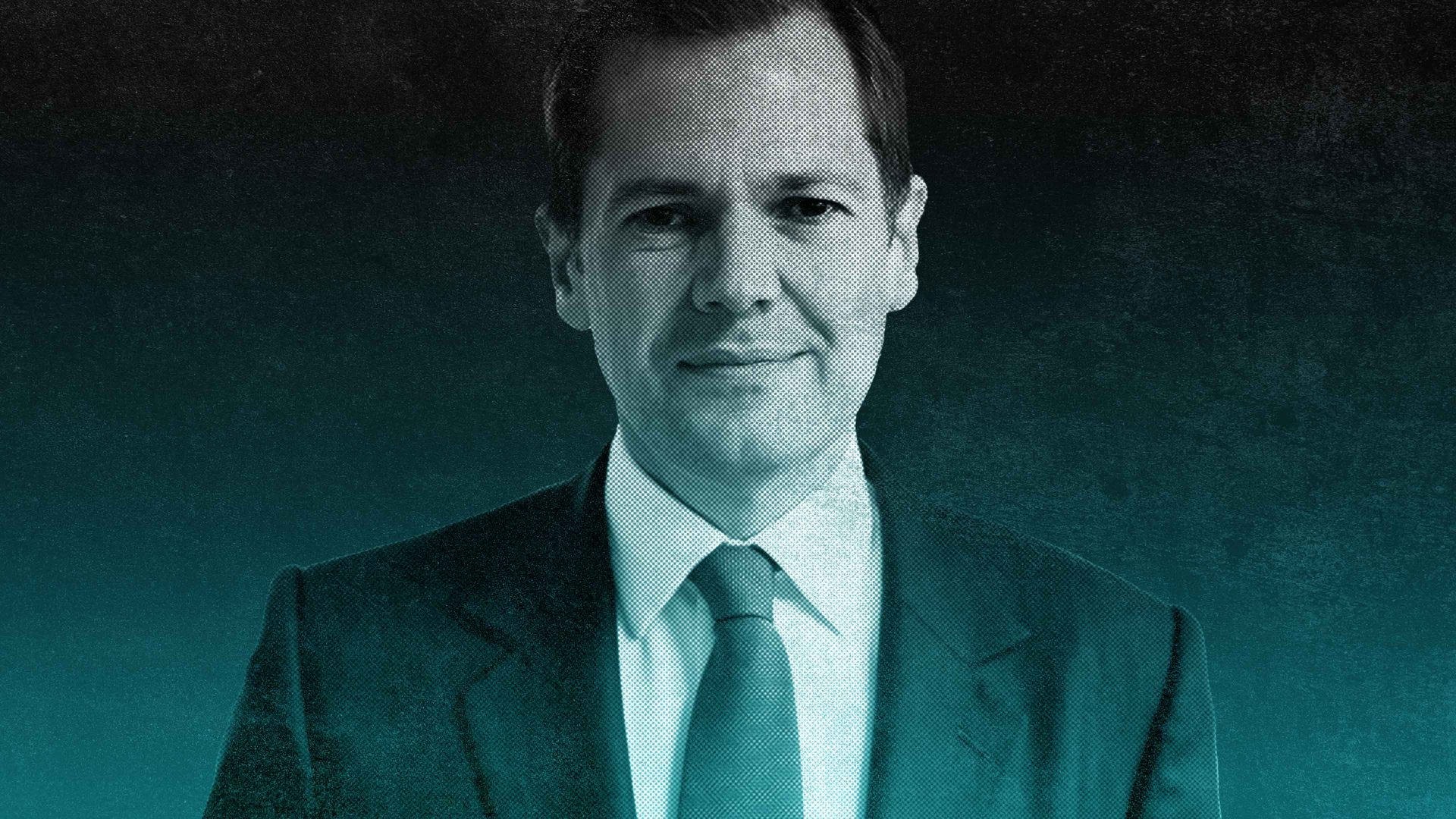
These and other memories were triggered by the disrupted defection plans of Robert Jenrick, which led to his sacking by Tory leader Kemi Badenoch, once someone found his resignation plans set out in black and white and hanging around near a printer. Like us with Howarth, Jenrick was waiting for the right moment to do maximum damage with maximum impact.
When finally he landed alongside Nigel Farage, a man who rightly once called his new colleague totally untrustworthy, the bomb had to a large extent been defused by the Badenoch disposal team. Something of a setback for a man who has Liz Truss-like beliefs in his own destiny, the force of Instagram to power his rise, and the ability to discard views, policies and principles to suit whatever his own assessment of his own ambition requires at any moment in time.
There is in the murky world of comms a tactic known as MTBL (Memo To Be Leaked). It works on the assumption that something which might not excite the media would almost certainly do so if they could be made to think it was information contained in a note they were not supposed to see. So you write the note, preferably marked “Restricted… private… and/or… confidential” (“top secret” would be overdoing it) and somehow it finds its way into a journalist’s hand.
Jenrick appears to have given us something new and splendid to add to the dark arts dictionary – the first ever fully fledged MTBLOG… no, not a blog, but a gigantic own goal, born of assembling the political bomb but failing to control the timing. As my friend and neighbour Michael Palin might put it, Jenrick is not the Messiah; he is a very naughty boy.
We went on a bit of a culture vulture blitz last week, partly just to get a few hours not having to see, hear, read or think about Donald Trump. First up, Cabaret at the Playhouse Theatre, hoping to revive memories of the 1972 movie, which starred Liza Minnelli and to this day holds the record for the film that won the most Oscars – eight – without actually winning best picture (eat your heart out for that piece of info, Matthew d’Ancona!).
I was 15 at the time, and probably more interested in the songs, stockings and suspenders, and the sexy dance routines than I was in any great underlying political message. Fifty-three years on, the songs, dances and theatre production were superb, and this time the political message landed with the force of a sledgehammer.
You can feel fascism rising in and around the characters who frequent the Kit Kat Club in 1930s Berlin, yet somehow we manage to keep foot-tapping and smiling and humming along. But once the dancers’ bright and beautiful costumes are replaced by Lederhosen, a non-Jewish bride-to-be is giving in to pressure not to marry the Jewish man she loves, and the Nazi voices are getting louder and more confident, songs that were being met with raucous cheering early on are suddenly feeling very, very heavy.
I suspect I was not alone in feeling the Trump presence, the very thing I had been hoping to escape, suddenly entering the stage. As Madeleine Albright warned they would be under Trump, the parallels with 1930s Germany are all too obvious.
Suggested Reading

It’s time for a European army
The Abraham Lincoln worshipper in me should have been shocked and horrified by the portrayal of perhaps the greatest US president of all time in Oh, Mary! at the Trafalgar Theatre. Likewise any descendant of the Mary in question – Lincoln’s wife, Mary Todd – would have every right to be upset at the portrayal of a screeching, hysterical, deeply unpleasant alcoholic trapped in a loveless marriage with a husband more sexually drawn to his male aide de camp than to a wife he so clearly loathes.
But once you settle into the mindset that accepts… this is a spoof, a satire, a comedy, and one that is very, very funny, cleverly written, with Mason Alexander Park’s portrayal of Mary off-the-scale brilliant (I’ve rarely seen a standing ovation materialise so quickly), it just becomes the most wonderful night out. This time, despite it being set in the Oval Office, the current White House resident barely impinged on my Trump Derangement Syndrome Mind.
And finally, Verdi’s La Traviata, at the Royal Opera House. Now I cannot claim to be either opera buff or opera expert, but I do happen to be a friend of Ermonela Jaho, the Albanian soprano who was playing Violetta for the 313th time in her glittering career.
Fiona and I went to see her in her dressing room afterwards, and en route were taken backstage and shown elements of the enormous logistical operation that went into the staging. There were total set changes which, at the time, sitting in the audience, left me wondering how on earth they managed to bring them about so quickly. I got the answer.
The space behind the stage is enormous, and pre-built sets were moved in and out, mechanically, in their entirety. What’s more, by the next morning the backstage team had to have a new set of sets in place for a ballet due to be performed later that day.
It was all gobsmackingly impressive, and confirmed me in my view that we don’t make nearly enough of our arts and culture in a story of Britain that yes, has many challenges – not least thanks to Farage’s Brexit and Jenrick’s hopeless Tory government – but which is far from broken.