It’s awards season, but what people in Hollywood are really talking about right now are mergers and acquisitions. The long-running £61bn battle for Warner Bros, with Netflix in pole position but Paramount ready to pounce, is emblematic of a desire to plunder and exploit the wealth of pre-existing popular library titles and properties that big studios have cultivated and maintained, sometimes for several years, before becoming vulnerable to takeovers.
This is almost universally seen as A Bad Thing. No end of unhappy Gen Xers will tell you that nothing is sacred from their childhood, and no cinematic stone has been left unturned in a cynical attempt to obtain as much money as possible out of those cherished pieces of IP.
While in recent years there’s been a fair amount of dismay from older Star Wars fans over the constant re-jigging and retconning of that universe – retroactively chipping at the emotional heft and character continuity of the original trilogy – there are signs that not every franchise is being dishonoured by its new owners.
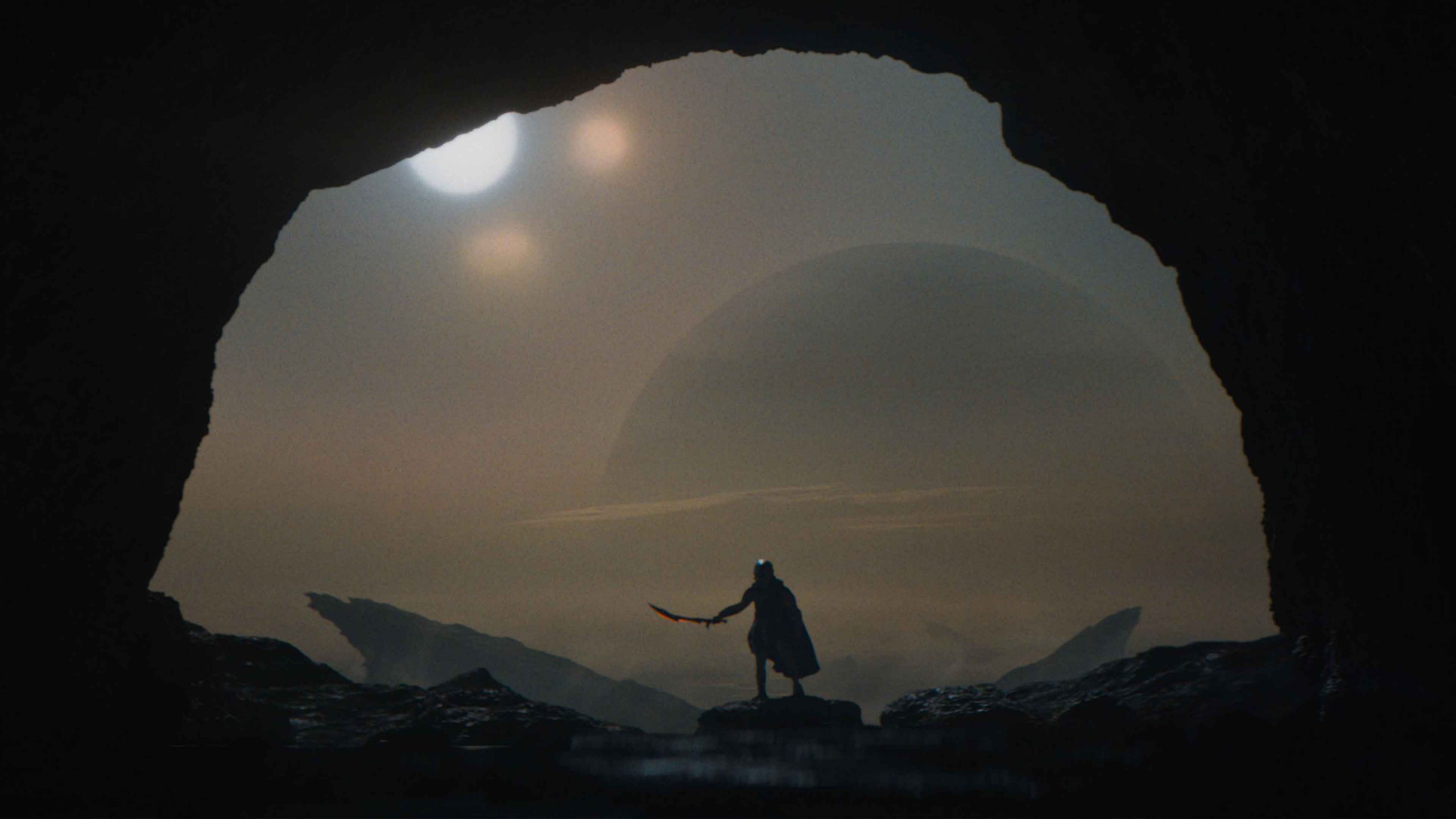
Late last year, Predator: Badlands, the seventh entry into the sci-fi action series – well, ninth if you count the two dismally received Alien crossovers – became the most profitable in the franchise’s almost 40-year history. This was a title from Twentieth Century Fox’s line-up, which was bought up by Disney back in 2017
The film’s director, Dan Trachtenberg, has already proved himself more than successful at tackling the franchise, evident in his two previous direct-to-streaming Predator features, Prey and the animated Killer of Killers. But make no mistake, a large part of Badlands’ box office success is down to opening up the world of the Predator (colloquially known as the Yautja) to a more universal audience.
The film was tame enough to be awarded an accessible 12 certification, and ordinarily, this concession may have been treated with deep disdain by fans of the Arnold Schwarzenegger 1987 original, which plays as a bloody slasher flick about a group of besieged grunts in a jungle, slowly being picked off by a menacing, unseen ET (a film that ended up, ironically, being enthusiastically embraced by a large underage audience on home video).
And while some purist admirers of the Arnie adventure and its 1991 sequel may still be up in arms, the makers of Badlands have managed the impressive feat of appeasing the older fanbase – and those decidedly younger newcomers – by making some truly judicious choices.
Badlands largely takes place on the “death planet” Genna, which opens up creative license to tweak the violent content. The blood spilt here is of a green and blue variety, owing to the deadly indigenous aliens being on the receiving end of the Predator’s array of weaponry. A rescue mission which takes up much of the third act would be wince-inducingly violent, were it not for the huge number of disposable bad ends who meet their grisly end being emotionless androids – their white, wiry innards vigorously ripped out everywhere.
In essence, you get all the brutality from those earlier films and not particularly watered down, either. But the film isn’t a vapid retread of what has come before, imbued with a bunch of storytelling cheats to escape the censors. It’s a handsomely mounted production, loaded with a stunning sound design, top-notch visual effects and some solid performances, particularly from Elle Fanning in a dual role as yin and yang android ‘sisters’.
Suggested Reading


Is Timothée Chalamet taking the piss?
It’s not just adult-oriented sci-fi which has managed to successfully evolve and grow with the desire to placate an established fanbase and foster a new one. Paramount’s Star Trek – soon to celebrate 60 years of boldly going where no one has gone before – has managed to maintain momentum for all that time, whilst still adhering to the initial principles instilled by its creator Gene Roddenberry back in the mid-sixties.
Even now, when Family Guy-esque cartoon Star Trek: Lower Decks and Sex Education-inspired Starfleet Academy (a lightweight show with heavyweight leads Holly Hunter and Paul Giamatti) have joined the franchise juggernaut in an attempt to entice a younger, knowing demographic, the foundational Trek philosophy and ideals remain intact amongst the edgier, irreverent material.
Many out there clearly may wish those titles which shaped their formative pop culture years remained retired and unsullied in this modern era, but the reality is that studios will forever be on the hunt to reignite any form of cow cash.
There is still a chance for older franchises to survive relatively intact in this era. Those beloved titles – which come attached with an ageing, demanding fanbase – can thrive and survive without making painful concessions, as long as those seasoned fans can show a bit of pragmatism. The Predator: Badlands model needs to be explored, in the sense of how it successfully bridges that audience gap in inventive ways, and not at the expense of story and character.
Although those children of the 1980s may never quite find that same joy they felt in a franchise heyday, if there’s reverence shown in these new iterations – and filmmakers are creatively savvy enough to appease both sides of the fan equation – there could be a harmonious way forward.
Adam Lowes has written about cinema for over a decade. He is an occasional contributor to Film Stories magazine and has previously written for ShortList, HeyUGuys, CineVue and Den of Geek.
 Most popular


Brits living in Dubai – sorry, but you’re awful

Trump: Dead soldiers are walking around without legs


How Brexit could come back to bite Sunderland


The quislings of the right have abandoned patriotism