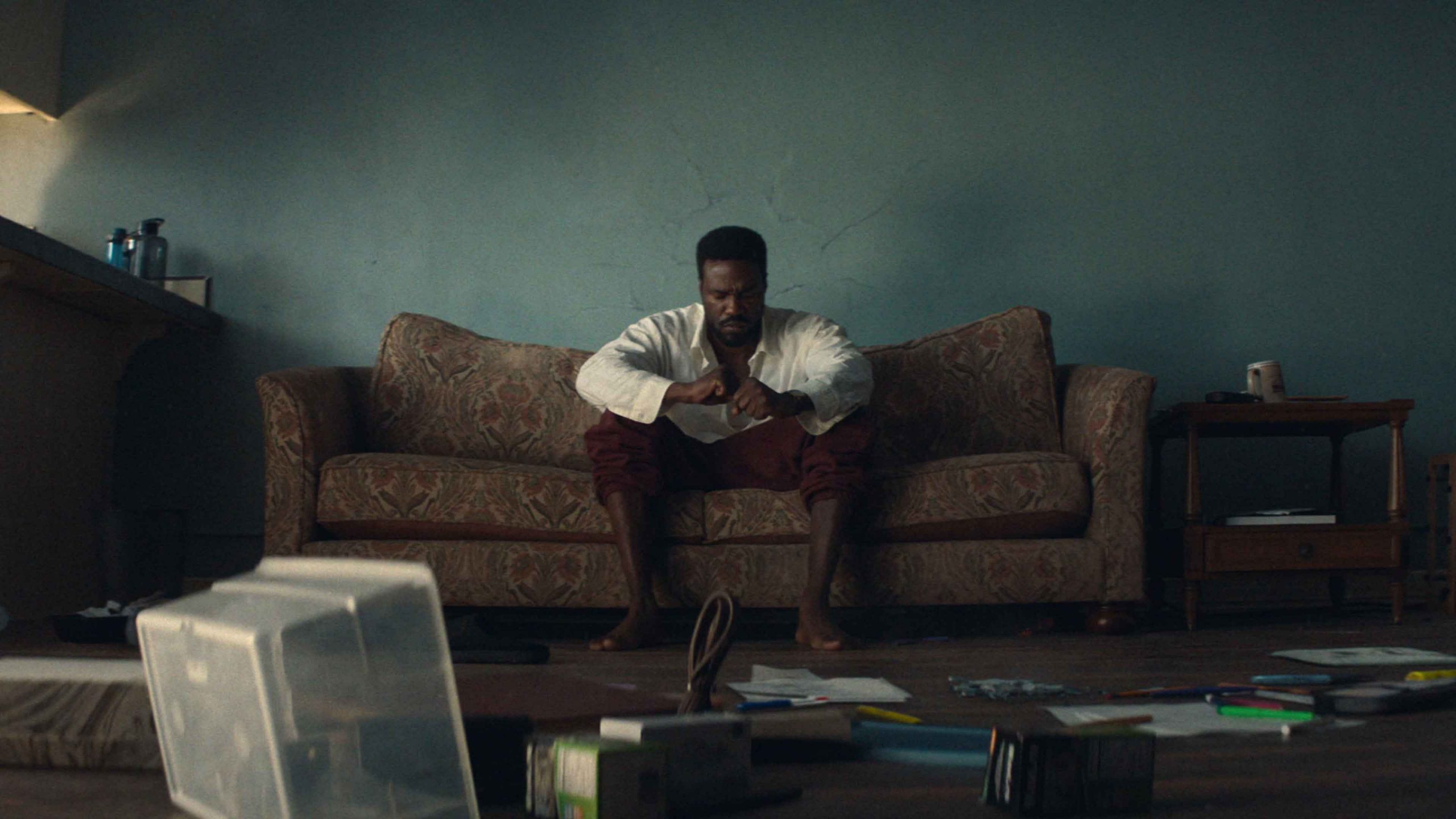
When the evidence seems to show that the public is beginning to fall out of love with Marvel, how do you manage to hide the Marvel-ness in a Marvel Studios TV series? You rip up the rulebook and turn it into an astute and grounded two-hander odd couple character study, with (almost) a nary of heroics in sight.
That is the secret of Wonder Man, which was renewed for a second series in March after its first – released on January 27 – was a surprise hit.
After launching 13 separate streaming shows since 2021’s WandaVision, most featuring key characters like Daredevil, Hawkeye, Scarlet Witch and Loki, Marvel Studios has now scaled back production. The shift came at the behest of Disney chief executive officer Bob Iger, who cited the brand’s ubiquity across the TV landscape as one of the reasons for waning interest in its cinematic offerings.
TV spin-offs from cinematic property are hardly a new trend, but Marvel has pushed things to new levels, creating a sprawling multi-narrative thread that constantly feeds back into subsequent future TV and film storylines. It has been a colossal undertaking – and the studio has somehow managed to keep most of the plates spinning – but it’s clear why viewer fatigue has set in. No matter how you dress them up, the overabundance of superhero yarns will always follow a familiar formula.
Marvel has tried to break the mould before, modelling their She-Hulk: Attorney at Law series (2022) on the fourth wall-breaking Ally McBeal. The mash-up of disparate genres didn’t result in a particularly fun or exciting new strain of TV, and She-Hulk’s readiness to lean back into the action beats only proved it to be yet another recognisable superhero series dressed up in new clothes.
But Wonder Man is genuinely a completely different beast from what has come before. Playing largely off the odd couple dynamic of leads Yahya Abdul-Mateen II and Sir Ben Kingsley, this is a character study of two damaged individuals in the Hollywood machine, whose initial meeting – and subsequent fast friendship – may not be entirely what it seems.
It’s no surprise this chalk and cheese pairing meet at a retro screening of Midnight Cowboy. Kingsley’s turn as a veteran thesp and recovering addict with a nasal Scouse accent has a certain vulnerable Ratso Rizzo quality.
Abdul-Mateen II is also terrific as a character who must keep a secret under wraps as he attempts to navigate life as an aspiring screen actor, riddled with self-doubt and neurosis. The opening episode where he torpedoes his bit part appearance on a popular procedural TV show after incessantly questioning his character’s motives, feels like a scene from Seth Rogen’s lauded comedy series, The Studio.
Suggested Reading

Whatever happened to the great film comedy?
The Wonder Man in question is an old superhero film which is being given a contemporary reboot. Simon – a huge fan of the original as a child – is desperate to play the lead in the new version. The standalone episode four features the most apparent use of a superhero and his surreal power, but it brings a deft touch to the normal origin story, while giving more weight to Simon’s growing predicament.
First and foremost, this is a tale of two lonely men, bound by a love of performance, who are each trying to keep their heads above water and using their skills to transcend their setting and make amends with their pasts. Not the kind of synopsis usually attributed to your Marvel Studios projects.
When the perceived wisdom with similar series is to ‘go large’ in the season finale, Wonder Man holds off any big set pieces – something which undid the otherwise intriguing WandaVision – and remains resolutely low-key until the very last shot. It makes you wonder if this less-is-more approach could become de rigueur for all subsequent Marvel series.
Could the appearance of those characters yet to appear in the MCU be offered a similarly earth-bound treatment? Why not pitch an outlandish character like Ghost Rider as a rowdy motorcycle mechanic whose relentless drug use is a means of inhibiting his ghoulish, fiery supernatural form from emerging?
Overwhelmingly positive critical and audience reaction to the series suggests that just because the subject matter is ostensibly dealing with the fantastic, Wonder Man is proof that trying a different tactic to breathe new life into an ailing studio doesn’t have to be a super undertaking.
Adam Lowes writes about film and TV
 Most popular


Matt Goodwin’s road to derision

Screen scandal: How Ofcom lets GB News get away with it

How Jon Stewart told me the brutal truth about Trump and Hegseth
The race to save the Beatles